How One Family Made Reading a Daily Ritual

In today’s fast-paced world filled with screens and digital distractions, establishing meaningful family rituals can be challenging. That’s why we’re excited to share the story of the Johnson family, who successfully transformed their evening routine and strengthened family bonds through the power of shared reading experiences.
The Challenge
Sarah and Michael Johnson, parents of three children aged 4, 7, and 9, found themselves in a familiar struggle. “Our evenings were chaotic,” Sarah recalls. “Everyone was on different devices, homework was rushed, and bedtime was a battle. We barely had quality time together as a family.”
The Johnsons wanted to create a calming evening routine that would bring the family together while nurturing their children’s love of reading. But with busy work schedules and children of different ages and interests, they weren’t sure how to make it happen.
The Solution: A Reading Ritual
After some research and experimentation, the Johnsons established what they now call their “Family Reading Ritual” – a 30-minute period each evening dedicated to books and storytelling.
Here’s how they structured their approach:
1. Creating the Perfect Space
They transformed a corner of their living room into a cozy reading nook with floor cushions, soft lighting, and a bookshelf accessible to all family members. “We wanted a dedicated space that would signal ‘it’s reading time’ to everyone,” Michael explains.
2. Establishing a Consistent Schedule
They set a firm time – 7:00 PM every evening – for their reading ritual. “Consistency was key,” says Sarah. “Once it became non-negotiable, like dinner time, the kids stopped resisting.” Pediatricians often highlight that a predictable daily routine provides children with a much-needed sense of stability, making new habits easier to maintain.
3. Varying the Format
To accommodate different ages and keep everyone engaged, they rotate through different reading formats:
- Individual reading time – Everyone reads their own book quietly for 15 minutes
- Read-aloud time – Parents or older children read to younger ones
- Storytelling – Family members take turns making up stories
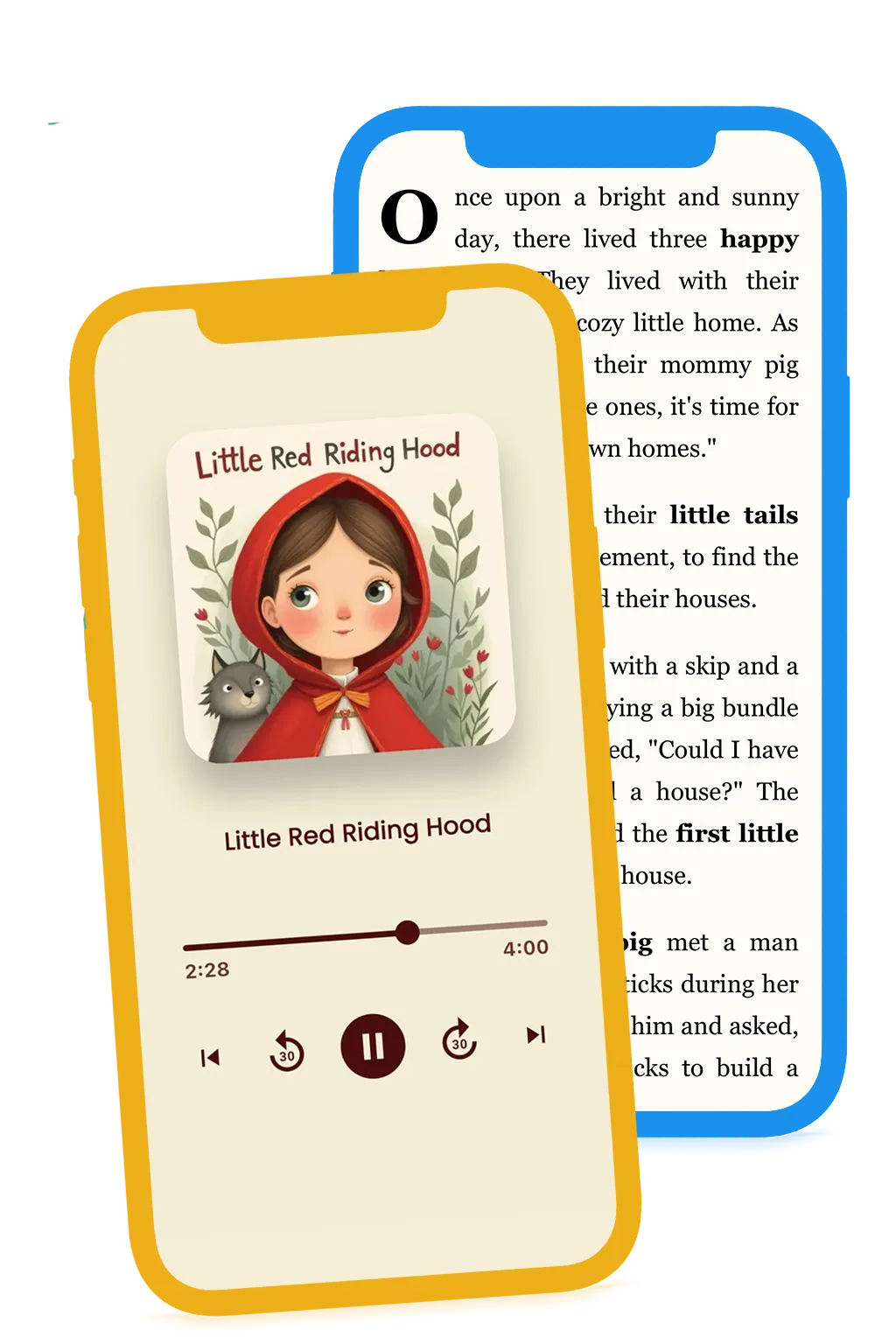
- Digital stories – Using the Super Stories app for interactive reading experiences
During their read-aloud time, they often practice what researchers call “dialogic reading”—pausing to ask questions and discuss the story. This simple practice turns passive listening into an engaging conversation, helping children process emotions and understand different perspectives.
4. Making It Special
Small touches help make their reading ritual feel special. They have a “reading ritual” candle they light to signal the beginning of the session, special bookmarks for each family member, and a “book of the week” that gets displayed prominently.
More Than Just a Good Story: The Science Behind the Routine
What the Johnsons instinctively discovered actually aligns with decades of child development research. Shared reading is a form of “biological embedding”—it physically shapes a child’s developing brain. According to pediatric organizations like the American Academy of Pediatrics, reading together stimulates the neural circuits responsible for narrative comprehension, critical thinking, and language acquisition. In fact, children who are read to daily are exposed to hundreds of thousands more words by the time they reach kindergarten compared to those who aren’t.
But the benefits extend far beyond academics. The physical closeness of snuggling up with a book creates a safe, nurturing space that reinforces a child’s sense of security. As families read about characters navigating challenges, children build emotional intelligence and empathy. Furthermore, a calm, unhurried reading routine naturally reduces stress, making it an incredibly effective transition into restful sleep.
The Results
After six months of consistent practice, the Johnsons have seen remarkable changes that mirror these scientific findings:
“Our children’s reading skills have improved dramatically,” Sarah notes. “But more importantly, it’s become the most peaceful, connected part of our day.”
Nine-year-old Emma, initially the most resistant to the ritual, now looks forward to it. “I like showing my little brother how to read new words,” she says. “And I’ve discovered books I never knew I’d like.”
Even their youngest, four-year-old Max, has benefited. “His attention span and vocabulary have grown so much,” Michael shares. “And he’s learning to sit quietly and listen, which has helped in other areas too. Our bedtimes are so much smoother now that we’ve replaced the pre-sleep screen time with the calming rhythm of a story.”
Tips for Creating Your Own Reading Ritual
Based on their experience, the Johnsons offer these suggestions for other families:
- Start small – Even 10 minutes a day can establish the habit.
- Be consistent – Same time, same place helps cement the routine and provides stability.
- Involve everyone in selecting books and activities.
- Eliminate distractions – Phones and devices are completely off during reading time.
- Make it cozy – Physical comfort encourages longer reading sessions and fosters emotional bonding.
- Mix it up – Alternate between physical books, e-books, and interactive stories.
- Lead by example – When children see parents enjoying reading, they’re more likely to develop the habit.
- Talk about the story – Ask questions and share thoughts to encourage active participation and empathy.
“It doesn’t have to be perfect,” Sarah emphasizes. “Some nights are better than others. But the simple act of coming together around stories has changed our family dynamic in ways we never expected.”
Have you established a reading ritual in your family? We’d love to hear about your experiences in the comments below!