10 bedtime stories to enjoy with your child
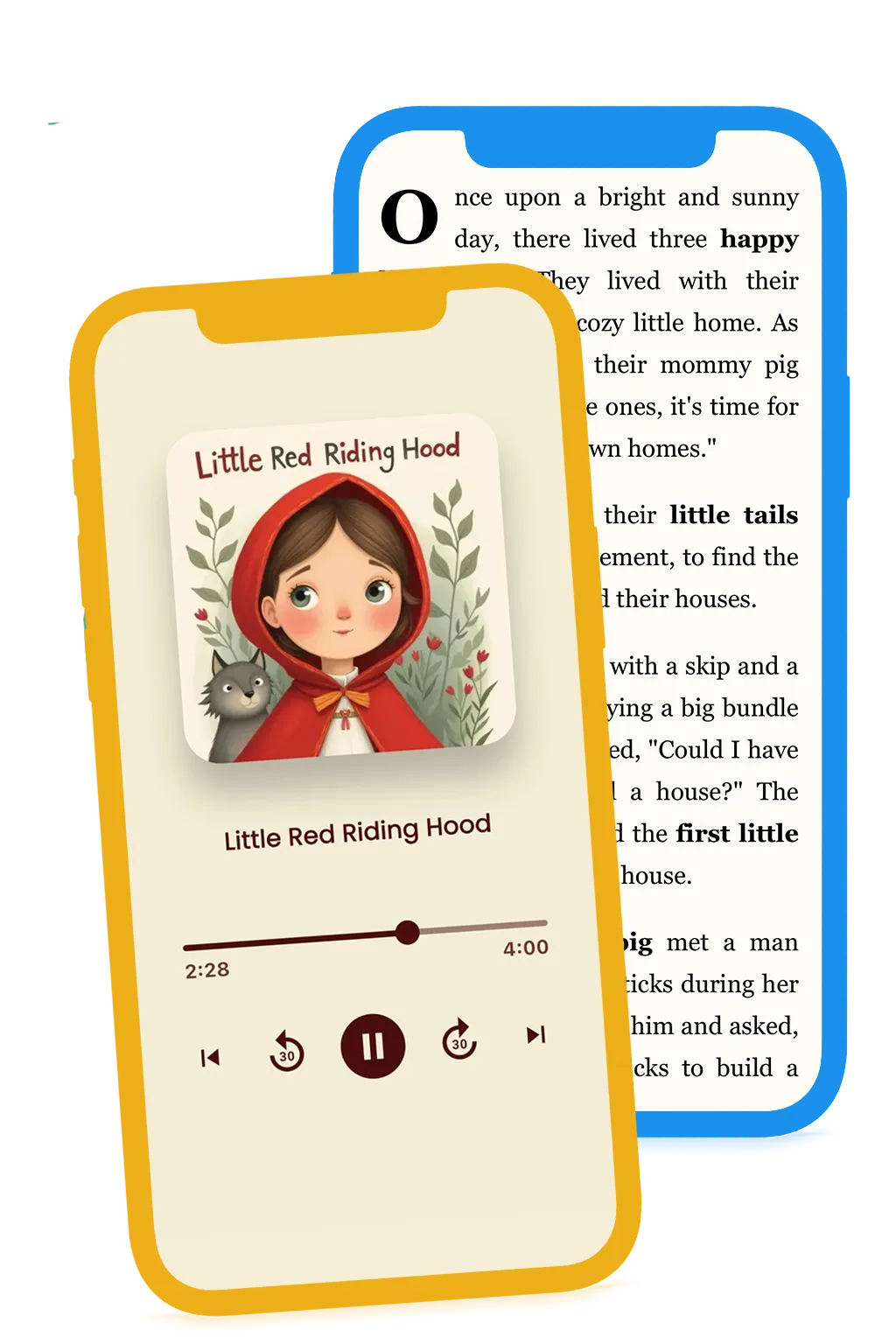
Reading before bed can be a lovely family ritual: a little time to sit close, enjoy a story, and perhaps talk about the day. These ten familiar tales offer different kinds of adventures, from a quiet room to a land of wild creatures. Choose a version that suits your child’s age and mood. The age suggestions are starting points, not rules, and you don’t have to finish a book in one evening.
1. Little Red Riding Hood
Traditional tale, retold by Charles Perrault and the Brothers Grimm. For preschoolers, choose a gentle adaptation; older versions can be frightening.
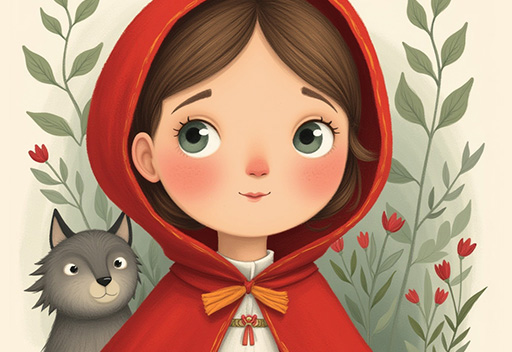
A girl sets off to visit her grandmother and meets a wolf along the way. The story can open a conversation about asking a trusted adult for help. If your child finds the wolf unsettling, save it for daytime or choose another tale.
2. The Three Little Pigs
Traditional folk tale. A simple, gentle version can suit preschoolers.
Three pigs build very different houses, and a wolf puts them to the test. Repeated phrases invite your child to join in. You might wonder together which house you would build, then leave the block-building adventure for tomorrow.
3. The Hare and the Tortoise
A fable attributed to Aesop. A short choice for preschoolers and early school-age children.
The speedy hare is sure he will win, while the tortoise keeps going at his own pace. It’s a useful starting point for talking about patience. You could share a small example of something that took you time to learn.
4. The Giving Tree
Author: Shel Silverstein. Best shared with a child ready to talk about its bittersweet themes, often at early school age or beyond.
A tree keeps giving to a boy as he grows older. The story raises questions about love, generosity, and limits. Rather than treating every sacrifice as a model to follow, make room for your child’s thoughts about what both characters need.
5. Where the Wild Things Are
Author: Maurice Sendak. Often enjoyed by preschoolers, though some may find the creatures scary.
After a difficult moment at home, Max imagines a wild adventure before returning to a waiting supper. It leaves room to talk about anger and the comfort of coming home. Or simply enjoy the pictures and imagine your own wild place.
6. Goodnight Moon
Author: Margaret Wise Brown. A gentle choice for babies, toddlers, and preschoolers.
A little bunny says goodnight to familiar things in a room. The repeated words and small details invite an unhurried reading. Your child might like to say goodnight to a few things in their own room, too.
7. The Velveteen Rabbit
Author: Margery Williams. Often better for early school-age children; it includes illness and the loss of a cherished toy.
A much-loved toy rabbit longs to become real. This tender story offers plenty to talk about, especially if your child has a favorite soft toy. Read it in short stretches and pause if the sad passages feel too much.
8. Harold and the Purple Crayon
Author: Crockett Johnson. A playful choice for preschoolers and early school-age children.
Harold draws his way through an adventure with a purple crayon. A simple line becomes a new possibility, inviting your child to imagine alongside him. What would they draw first if they had a crayon like Harold’s?
9. Guess How Much I Love You
Author: Sam McBratney. Well suited to toddlers and preschoolers.
Little Nutbrown Hare and Big Nutbrown Hare try to describe how much they love each other. Their playful comparisons make room for a cuddle or your own affectionate words. There’s no need to turn it into a competition or a question to answer.
10. The Rainbow Fish
Author: Marcus Pfister. A picture book to share with preschoolers and early school-age children.
A fish with shimmering scales discovers friendship through sharing. You can talk about kindness while also making room for boundaries: sharing feels different when it is freely chosen. Let your child tell you what they think of the fish’s choices.
Make the moment your own
You don’t need to work your way through every title on this list. What matters is the attention you share. Follow your child’s questions, return to a favorite picture, or simply enjoy the story together. A few pages can be enough.