How to Talk to Your Child About Going to Preschool
Starting preschool is a major milestone, not just for the child, but for the entire family. It’s a moment naturally filled with a mix of emotions, ranging from excitement to anxiety. How can you best prepare your little one for this transition and help them feel secure? Drawing on psychological research and evidence-based parenting strategies, here are some supportive ways to ease into this new chapter.
1. Talk Honestly, but Keep It Low-Key
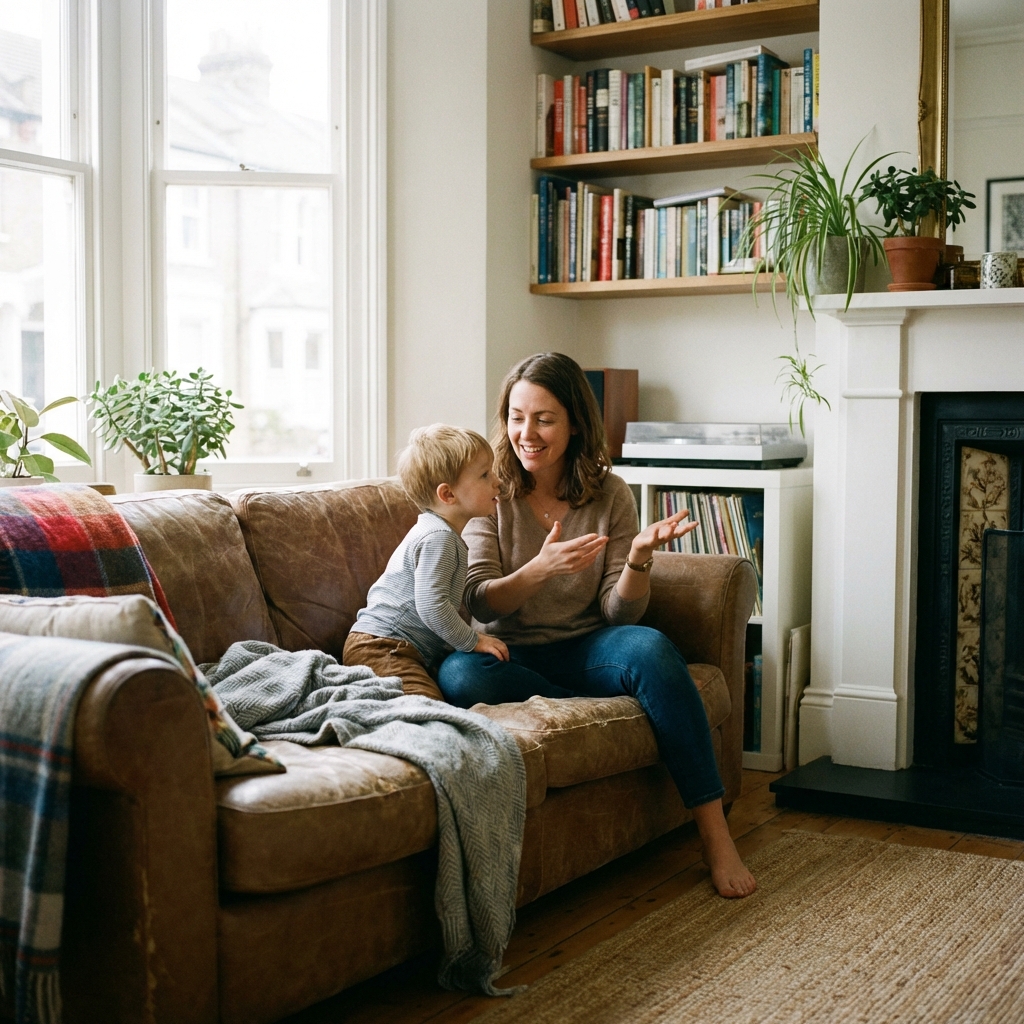
Children are incredibly perceptive and easily pick up on their parents’ emotions. If you are stressed, your toddler is likely to feel it too. Focus on being a calm, “secure base” for them. Talk about preschool as an interesting new place where they will meet friends and learn fascinating things, but try to avoid over-emphasizing the transition. Making it feel like an enormous, high-stakes event can sometimes increase a child’s worry.
Keep your tone natural. Instead of idealizing it by saying, “It will be wonderful and you’ll love every second,” try saying, “It will be interesting, and you will discover new games to play.” This builds a realistic picture.
2. Practice Through Play and Books
There are plenty of wonderful books available that help familiarize children with the daily rhythms of preschool. Reading stories about characters going to school helps your child understand what to expect.
Beyond reading, pretend play is a powerful psychological tool. Play “preschool” at home using teddy bears and dolls as the students. Practice everyday routines like hanging up a backpack, sitting in a circle for storytime, or even practicing your goodbyes. This allows children to process the upcoming change in a safe, controlled way.
3. Establish Predictable Routines Early
Psychologists emphasize that predictability helps children feel secure. Several weeks before the first day, gradually begin shifting to your new preschool wake-up and bedtime routines. Practicing the morning routine removes the pressure from the actual first day.
You can also use simple visual schedules—like a chart with pictures of getting dressed, eating breakfast, and putting on shoes. This provides clarity and reduces the stress of not knowing what comes next. Encourage independence by turning self-help skills, such as zipping a coat or putting on shoes, into fun games rather than stressful chores.
4. Visit the Preschool Together
Before the first day, visit the school environment. Most preschools organize orientation days, so take advantage of them! Let your child explore the playground, see the classroom, and meet their new teachers. Familiarity with the physical space significantly lowers anxiety. If an official visit isn’t possible, simply take a walk around the building together and say, “This is your new preschool, and this is where you will play.”
5. Validate Their Emotions (and Offer Choices)
Remember that your child has the right to feel afraid, sad, or angry. When they express worry, avoid denying their feelings by saying, “There’s nothing to be afraid of.” Instead, “meet them in the feeling.” Say something like: “I see that you are nervous. That’s completely normal, and it’s okay to feel a little scared of new things. I am right here for you.” Validating their emotion helps regulate their nervous system.
You can also offer them appropriate choices to give them a sense of agency, which is vital for reducing separation anxiety. Let them choose which backpack to bring or which shirt to wear.
6. Create a Comforting Goodbye Ritual
A short, sweet, and predictable goodbye is key to success. Long, lingering partings often escalate stress for both of you. Come up with your own special ritual—perhaps a high-five, a “fist bump,” or a kiss on the nose—and reassure them: “I’ll be back to pick you up after snack time.” Keeping these promises builds essential trust.
If your child is struggling, consider letting them bring a small comfort item from home, like a favorite soft toy or a family photo. This serves as a tangible, reassuring link to you while they are away.
Remember that every child develops and adapts at their own pace. The transition is a process, not a single event. Give yourselves time, breathe, and be gentle with one another. Good luck!