20 Tips for Winter Activities with Kids
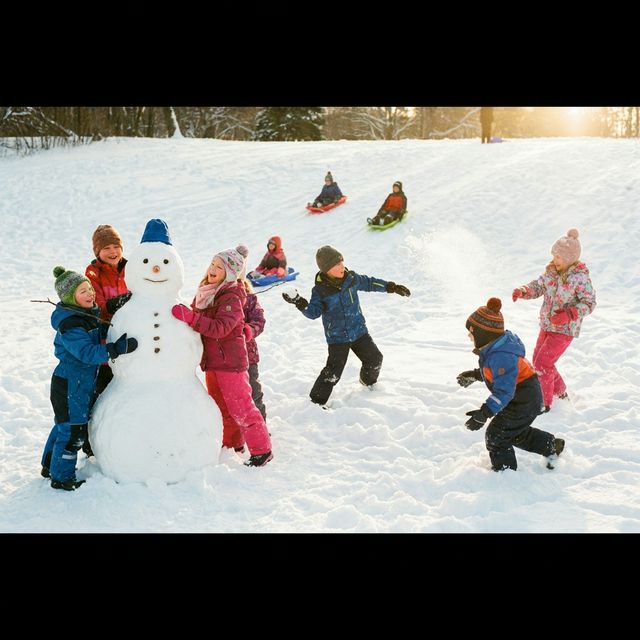
Winter is a magical time that offers plenty of opportunities for creative fun both outdoors and indoors. It’s natural to feel tempted to stay inside when the temperature drops, but venturing out into the crisp winter air offers wonderful benefits for your child’s physical health and cognitive development. Navigating uneven, snowy terrain helps build gross motor skills and coordination, while exposure to natural sunlight provides a much-needed boost of Vitamin D, which is essential for healthy immune systems and mood regulation.
Whether you’re bundling up for a snowy adventure or cozying up inside on a truly bitter day, here are 20 engaging ideas for winter activities that will create lovely memories for your whole family.
Outdoor Fun
Getting outside, even for just 20 to 40 minutes, can do wonders for reducing stress and sparking creativity. Just remember to dress everyone in warm, comfortable layers so the experience stays pleasant.
- Classic Snowman: An obvious choice, but it always brings a lot of joy. Working together to roll the snow also builds cooperative skills. Try making a whole family of snowmen or even an “upside-down” snowman for a good laugh!
- Friendly Snowball Toss: Instead of a wild snowball fight, build a snow fort and set up safe targets or have a gentle toss. This encourages fair play and helps develop hand-eye coordination without any tears.
- Snow Angels: Lie down on fresh snow and move your arms and legs. It’s a simple, charming activity that also serves as a great sensory experience.
- Animal Trackers: Go to a nearby forest or park and look for animal tracks in the snow. Observing nature helps children practice problem-solving and critical thinking as they try to guess who passed by.
- Winter Picnic: Take a thermos filled with hot chocolate or warm tea, along with thick blankets and simple sandwiches. A winter picnic feels like a delightful, unexpected adventure.
- Colored Snow: Fill spray bottles with water and a few drops of food coloring, then let the kids paint the snow. It’s a wonderful way to encourage open-ended creativity outdoors.
- Build a Snow Fort: If the snow is sticky enough, try building a small igloo or a defensive wall. This kind of unstructured play is excellent for cognitive flexibility and teamwork.
- Sledding: Find a gentle, safe hill and enjoy a little controlled madness on sleds or tubes. Navigating the sled naturally engages different muscle groups and improves balance.
- Ice Bubbles: On a freezing day, blow soap bubbles and watch them freeze. They create extraordinary, delicate crystal patterns that are fascinating to observe.
- Bird Feeding: Make a simple feeder or fat balls with seeds and hang them on trees. Bird watching provides a peaceful nature lesson and teaches children about caring for local wildlife.
Indoor Fun (When the Weather is Too Harsh)
Sometimes it really is too cold or stormy to go out. Indoor play is a perfect opportunity to support fine motor skills, spatial awareness, and emotional regulation in a cozy environment. Short, frequent bursts of movement can easily keep the winter blues away.
- Indoor Obstacle Course: Use pillows, chairs, and blankets to create a safe obstacle course in the living room. Let your child help design it—this boosts their engagement and supports cause-and-effect reasoning.
- Winter Baking: Bake cookies shaped like snowflakes or snowmen together. Mixing and decorating are wonderful ways to practice fine motor skills, and eating the results is the best part!
- Book Evening: Build a cozy blanket fort, grab a few flashlights, and read winter stories together. A calm reading space is great for emotional regulation. (Of course, we highly recommend the tales from Super Stories!)
- Shadow Theater: It gets dark early in the winter evenings. This is the perfect time to use a lamp for shadow theater play on a blank wall. It encourages storytelling and imaginative play.
- Paper Snowflakes: Cutting snowflakes out of paper is a timeless classic that requires focus and refines fine motor skills. You can use their creations to decorate your windows.
- Board Games and Puzzles: Pull out your favorite board games or large puzzles from the closet. It’s a lovely, calm way to spend time together and practice turn-taking.
- Winter Experiments: Bring a bowl of snow inside and watch how quickly it melts, or make sensory “artificial snow” from flour and a bit of oil. These mini science lessons build curiosity.
- Home Cinema: Pop some popcorn, gather your warmest blankets, and watch a favorite winter family movie. It’s a great way to wind down after an active day.
- Milk Painting: Try an experiment with a shallow dish of milk, food coloring, and a drop of dish soap. Watching the colors swirl is a fascinating, calming art activity.
- Sock Puppets: Have unmatched socks lying around? Fill them with a little rice and decorate them to make cute winter creatures. It’s a fun, tactile craft.
Winter doesn’t have to feel restrictive. With a little preparation, it can be a season full of growth, connection, and joy. We hope these ideas inspire you to embrace the chilly days and spend quality time together. Have a wonderful winter!