Songs for Children: Why Music Is Important for Child Development?
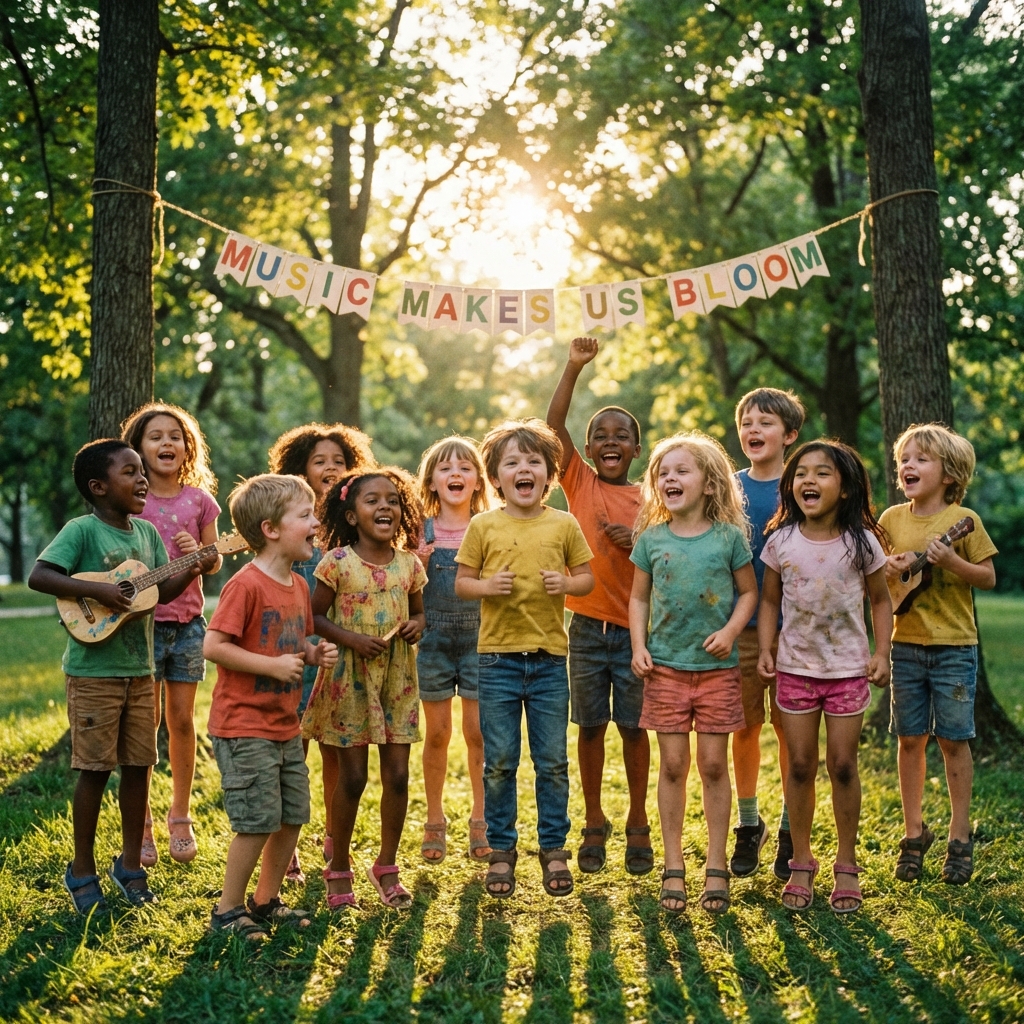
Music is a universal language that speaks to us from an early age. Songs for children are much more than just a fun way to pass the time; they are a powerful, scientifically proven tool that supports a toddler’s development on many levels. Neuroscientists who study these effects often refer to the field as “neuromusic.” Because listening to and making music requires processing rhythm, melody, and lyrics all at once, it acts as a “full-brain” activity that strengthens connections across both hemispheres. From lullabies hummed at bedtime to cheerful rhymes sung in the car, music accompanies children at every step. Why is it worth introducing more singing and sounds into your child’s daily life? Here are a few compelling reasons.
1. Speech and Vocabulary Development
Listening to and singing songs provides wonderful, natural language training. The melodic structure of music actually mirrors aspects of spoken language. Because song lyrics are often rhymed and rhythmic, it becomes much easier for young children to remember new words and phrases. Toddlers pick up on correct pronunciation, intonation, and sentence structure simply by joining in. Research even suggests that early musical training enhances the auditory processing of speech, which is a strong predictor of future reading success. Repeating familiar choruses helps gently consolidate their vocabulary, while the varied themes of songs enrich their understanding of the world around them.
2. Memory, Concentration, and Executive Function
Learning song lyrics is an excellent workout for a growing brain. A child must remember the order of the words, follow the melody, and keep the rhythm, all of which wonderfully stimulate both short-term and long-term memory. Beyond just memory, engaging with music exercises important “executive functions.” This includes sustaining attention, working memory, and even the ability to practice patience and self-control. Interestingly, these early musical experiences also support spatial-temporal reasoning, laying a solid foundation for understanding concepts in mathematics and science later in school.
3. Emotional and Social Development
Music holds an extraordinary ability to evoke and process emotions. Songs can soothe an upset child, cheer them up on a cloudy day, and gently help them navigate difficult feelings. Singing familiar melodies, like lullabies, can actually help modulate a child’s nervous system, reducing anxiety and offering a deep sense of security. Furthermore, singing together with parents, caregivers, or peers beautifully builds bonds and a sense of belonging. Group musical games are a wonderful opportunity to practice cooperation, turn-taking, and active listening. These shared experiences naturally nurture empathy and prosocial behaviors as children learn to interact in a harmonious setting.
4. Motor Coordination and Physical Development
Most songs for children naturally encourage movement—whether it’s clapping, stomping, dancing, or mimicking gestures. These musical-movement games are fantastic for developing both gross motor skills (like jumping to a beat) and fine motor skills (like gripping a small toy instrument or doing finger plays). Engaging in these physical movements during the early years, when a child’s brain is highly adaptable, helps “wire” their brain for better physical coordination and faster processing of information. A solid sense of rhythm shaped through dance and singing positively impacts their everyday physical confidence.
5. Creativity and Imagination
Music is a beautiful spark for a child’s imagination! While listening to songs about playful animals, distant travels, or magical fairy-tale lands, children naturally create vivid images and stories in their minds. Encouraging your child to invent their own little songs, change the words to familiar tunes, or hum a new melody is a wonderful way to foster their creativity and build their self-confidence in expressing themselves.
Summary
Introducing music into your child’s everyday life doesn’t require you to be a musical virtuoso or have perfect pitch. What truly matters is active participation. Singing together in the car, listening to enjoyable songs at home, or playing simple rhythmic games on the living room floor are more than enough. It is a loving investment in your child’s holistic development that will continue to bear fruit in the future. Most importantly, sharing music will bring both of you a lot of joy and connection right here and now!
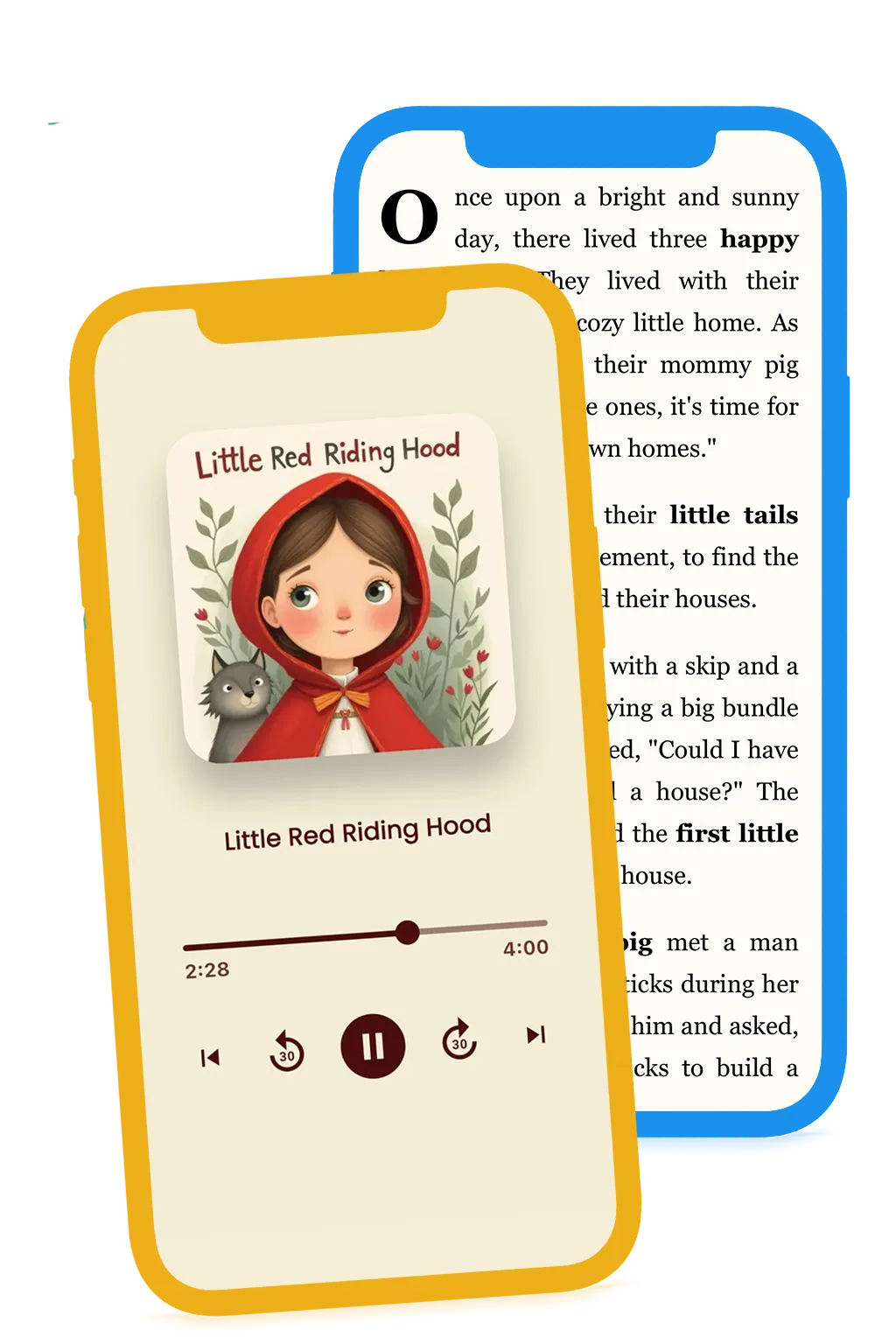
Check out Super Stories to discover a ton of inspiring songs and stories that develop your child’s imagination!