Fairy Tales for Toddlers: What Parents Should Look For?
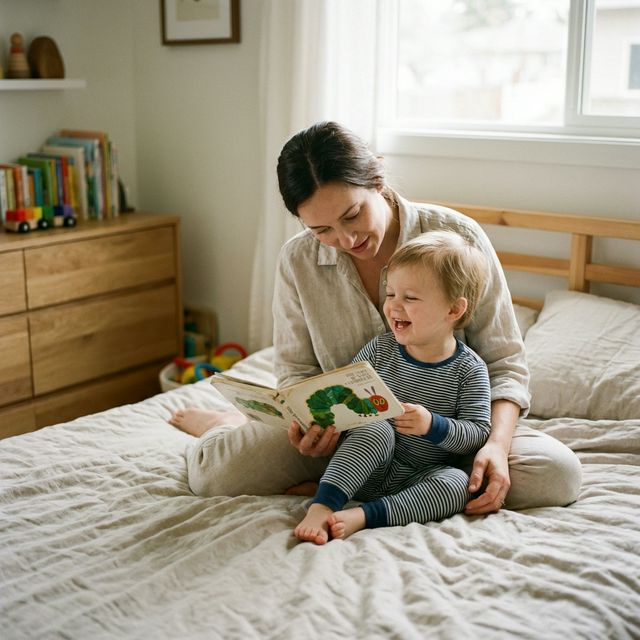
Choosing the right fairy tales for young children is not just about providing entertainment before bed. It’s about building their emotional world, developing their imagination, and teaching them how to deal with difficulties. Beyond the story itself, the simple act of reading together releases oxytocin and reduces stress hormones, creating a profound moment of connection and bonding between you and your child. But what kind of fairy tales should you choose to best support your toddler’s psychological and educational development?
The Psychological Value of Fairy Tales
Fairy tales play a crucial role in a child’s psychological development, often acting as a gentle way to help young minds process the world:
- Emotional Development and Processing: Fairy tales create a safe, fictional environment where children can encounter complex emotions like fear, anger, joy, or sadness. By identifying with characters, they learn to recognize and name their own feelings. Storybook characters often provide a comfortable distance, allowing children to safely process their own everyday struggles.
- Building Resilience and Coping with Fears: Fantastic worlds and characters allow children to indirectly confront real-life anxieties. When children see unlikely heroes overcome challenges, it validates their confidence and fosters a sense of hope and resilience. A guaranteed happy ending provides a deep sense of comfort and eases everyday worries.
- Learning Empathy and Compassion: Following the fate of the characters, children learn to look at the world from different perspectives. They begin to understand how the actions of one person affect others, slowly building the foundations of empathy.
Educational Value of Smart Stories
In addition to emotional aspects, fairy tales offer tremendous cognitive and educational benefits:
- Problem-Solving and Critical Thinking: Most stories follow a clear structure where a character encounters a problem and must figure out a solution. This gently introduces toddlers to basic cause-and-effect relationships and foundational critical thinking skills.
- Moral Development: The clear, simplified distinction between good and evil helps children build a moral compass. It lays the groundwork for ethical development by teaching timeless values such as honesty, kindness, and the natural consequences of behavior.
- Stimulating Imagination: Journeys to enchanted lands support creative thinking. The vivid imagery found in stories teaches children to visualize situations in their minds, an important skill for later learning.
- Enriching Vocabulary: Reading fairy tales aloud exposes children to new words and more complex sentence structures, naturally expanding their language skills in an engaging way.
What Should You Look For When Choosing Fairy Tales?
When selecting stories for the youngest, it is worth remembering a few important guidelines:
- Age Appropriateness: For 2-3 year olds, simple stories about animals’ daily lives or nature with minimal conflict work best. Older preschoolers (4-5 years old) can begin to listen to more complex stories with a clear moral or a mild obstacle to overcome.
- A Happy Ending: Fairy tales for younger children should always end positively. It gives them a sense of security and teaches them that good always wins.
- Choosing the Right Version: Many classic fairy tales exist in older, sometimes overly intense versions. For toddlers, always look for modern adaptations or simplified, positive variants that maintain the developmental benefits without unnecessary frights.
- Guided Engagement: Use the story as a gentle conversation starter. Pausing to ask, “How do you think they felt?” or “What would you do?” turns passive listening into an active, enriching experience.
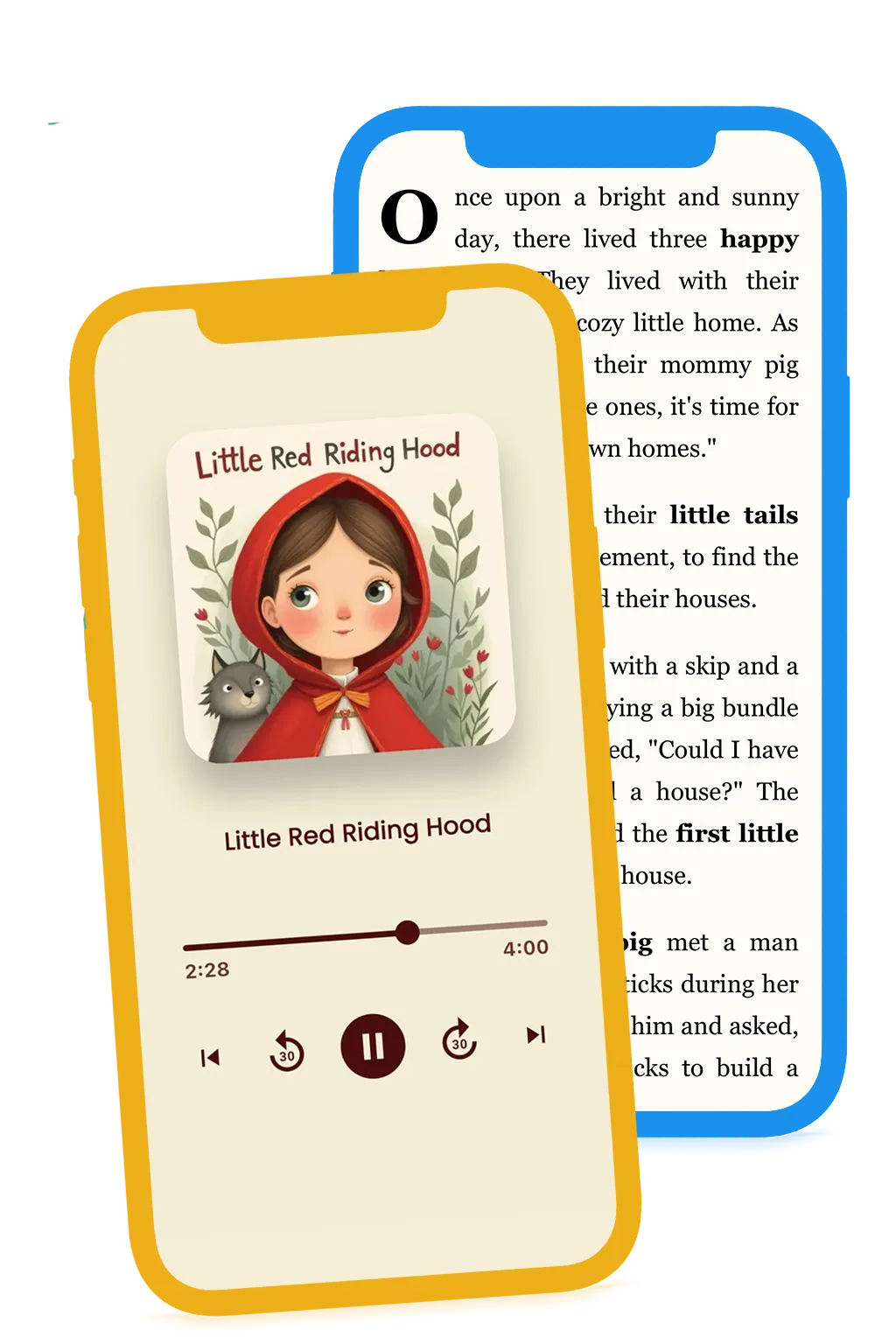
At Super Stories, we perfectly understand these needs. Our stories are created to engage, teach, and maintain the maximum psychological safety of children. By choosing our app, you can be sure that the bedtime story will be beautiful, soothing, and genuinely valuable for your child’s growth.