Emotional Stories: Why Reading About Feelings Matters?

Emotions accompany us every day – from joy and delight to sadness, anger, or fear. For a child, the world of feelings is often incomprehensible and overwhelming. How can you help your toddler navigate the maze of emotions? Emotional stories come to the rescue – books and stories that gently tame difficult topics in a safe way.
Recent psychological research shows that stories act as a “social simulation” for the developing brain. When children immerse themselves in a narrative, their brains process the events almost as if they were experiencing them in real life. Here is how reading about feelings can deeply support your child’s emotional intelligence.
1. Learning Empathy and Perspective
By reading about the adventures of characters who experience various dilemmas, children learn empathy. When a favorite teddy bear loses a button and feels sad, the child also feels this sadness, but in safe conditions. This process helps children develop “Theory of Mind”—the crucial realization that other people have their own unique thoughts, intentions, and feelings. It is the first step to truly understanding another person’s perspective and building the foundations of both cognitive and affective empathy.
2. Naming and Understanding Feelings
Children often feel complex, overwhelming emotions long before they have the vocabulary to describe them. Hearing a sentence in a story like, “The bunny was disappointed because the rain thwarted his plans,” gives the child a specific word for that strange, heavy feeling in their stomach. Expanding a child’s emotional vocabulary allows them to better communicate their needs, reducing frustration and tantrums.
3. A Safe “Emotional Laboratory”
Stories about emotions show children that they are not alone with their problems. Books create a secure, unthreatening environment—an emotional laboratory of sorts—where kids can encounter various life experiences, including conflict or fear. Knowing that others are also afraid of the dark, angry at siblings, or ashamed of public speaking provides a profound sense of relief and acceptance. This teaches an important lesson: all feelings are natural and valid, even the difficult ones.
4. Tools for Dealing with Emotions
Many therapeutic stories suggest ready-made, practical solutions for managing big feelings. The hero might take a deep breath when they are angry, or cuddle a favorite blanket when they are sad. Children willingly imitate their favorite characters, transferring these coping strategies to their own lives and building their emotional resilience.
5. The Power of “Causal Talk”
Science suggests that how you read is just as important as what you read. Simply reading the words is wonderful, but pausing to ask questions deepens the impact. Try asking, “Why do you think the fox felt that way?” or “What would you do in his place?” This practice, often called “causal talk,” helps children connect behaviors to underlying emotions. It turns storytime from a passive activity into a collaborative, reflective conversation.
Summary
Reading about feelings together is an excellent excuse for conversation. By exploring emotions through stories, modeling expressive voices, and talking about the characters’ choices, you build not only your child’s emotional intelligence but also a deep, lasting bond between you. Remember that in the beautiful, sometimes messy world of emotions, you are your child’s most important guide.
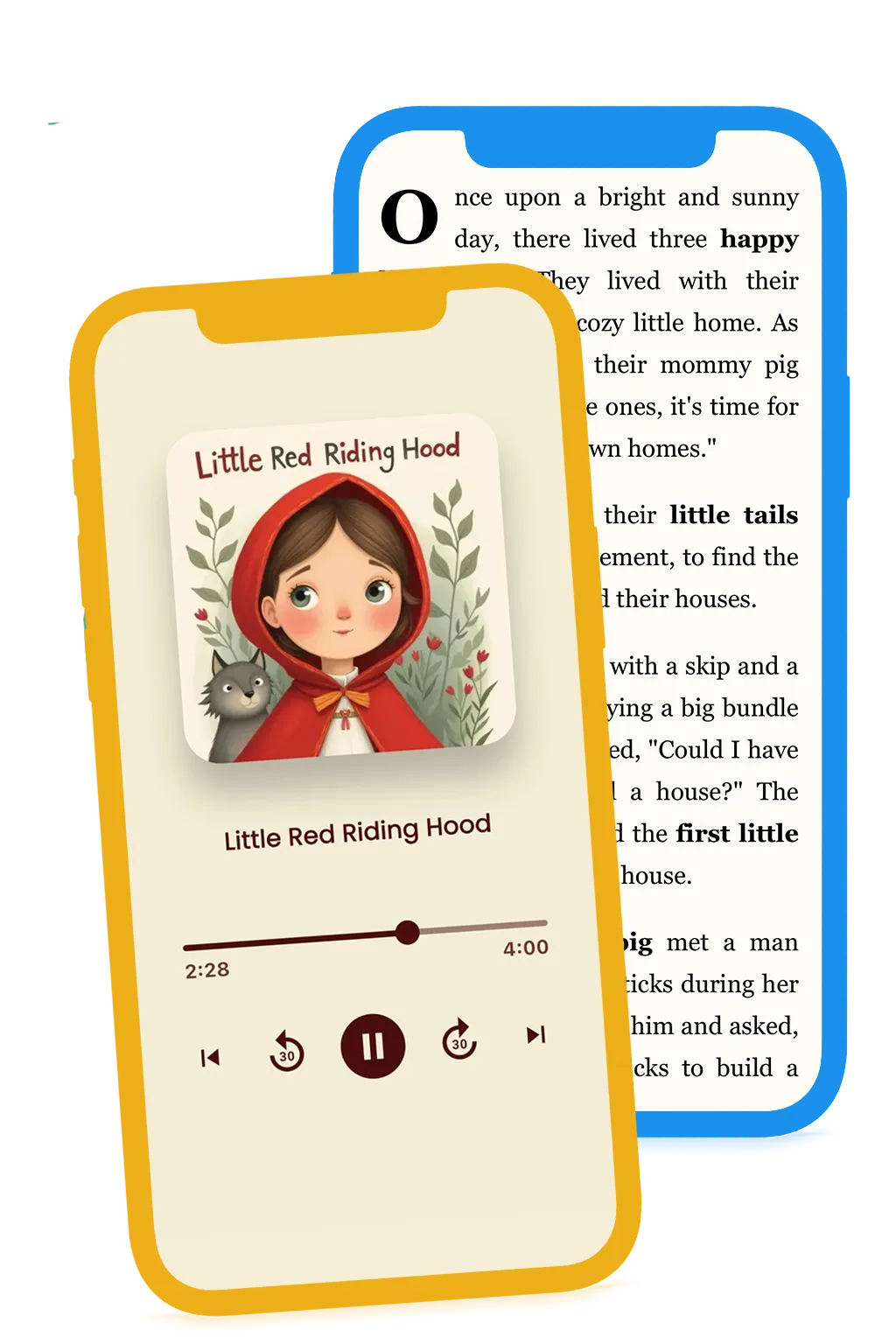
Looking for wise and touching stories? In the Super Stories app, you will find tales that move hearts and teach understanding of the world!