Why Do Children Love Paw Patrol So Much?
If you have a preschooler at home, chances are you hear this every single day: “Can I watch Paw Patrol?” This colorful cartoon about rescue pups has captured the hearts of millions of children worldwide — and it’s no coincidence. From a child development perspective, the show is perfectly engineered to appeal to toddlers and preschoolers. So why exactly can’t your little one get enough of it?
The Science of Cute: “Baby Schema” and Expressive Characters
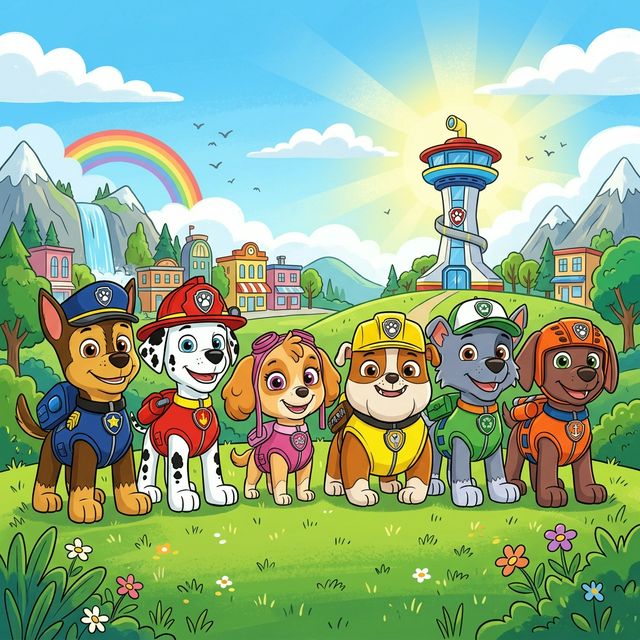
Chase, Marshall, Skye, Rubble — each pup has a distinctive personality, color, and special skill. But their appeal goes deeper than just cool outfits. The characters are designed using what psychologists call Kinderschema (baby schema). They feature large, expressive eyes, round faces, and high-pitched voices. We are evolutionarily hardwired to be drawn to these “baby-like” features, which naturally trigger an instinct to engage and nurture.
Thanks to this combination of cute design and unique personalities, children quickly form emotional bonds with the pups and easily identify with their traits. “I’m like Chase because I’m brave!” — a phrase many parents hear on a daily basis.
Low-Stakes Conflict and Action-Packed Missions
Each episode features one simple problem to solve — a lost kitten, a blocked road, a storm. The solution is always within reach, the “villains” are mostly bumbling rather than scary, and the heroes always win. This “low-stakes” conflict is crucial. It creates a safe space for them to experience excitement while still feeling secure, free from the stress or anxiety that comes with real danger.
Repetition That Builds Cognitive Comfort
The episode structure is remarkably consistent: a problem arises in Adventure Bay, Ryder calls for help, the pups are selected, the mission takes place, and they succeed. While adults might find this formula repetitive, young children thrive on it. This predictability provides immense cognitive comfort. Children love knowing exactly what comes next — it builds their sense of control, competence, and mastery over the story.
Clear Role Division and a Sense of Empowerment
Each pup has their own “superpower” — Chase is the police pup, Marshall is the firefighter, Skye pilots the helicopter. For a young child, this clear division is easy to understand and deeply appealing.
But there’s another psychological layer here: empowerment. In their daily lives, toddlers and preschoolers have very little agency; adults make most of the decisions for them. In Paw Patrol, they watch a child (Ryder) leading a team of pups to solve problems that the adults in Adventure Bay seem unable to fix. This dynamic empowers young viewers, allowing them to imagine themselves as capable heroes taking charge.
Colors, Sounds, and Pace
Paw Patrol is a visual feast — intense colors, dynamic music, fast transitions. For a child, it’s a powerful sensory stimulation that acts like a magnet, capturing their attention instantly.
But Watch Out: Too Many Stimuli = An Overtired Child
Here is something important to keep in mind. While Paw Patrol is great fun and models positive behaviors like teamwork and helping others, it also provides children with a very high level of stimulation. The vibrant colors, rapid pacing, loud music, and constant action can sometimes overwhelm a developing nervous system. After a few episodes, your little one might feel overstimulated, irritable, and paradoxically — more tired than relaxed.
That’s why it’s especially important to limit intense stimuli toward the end of the day and replace them with something calmer. Instead of another episode of a fast-paced cartoon, try reading together — it’s one of the best ways to help your child wind down, process their day, and prepare for rest.
Calm Bedtime Reading with Super Stories
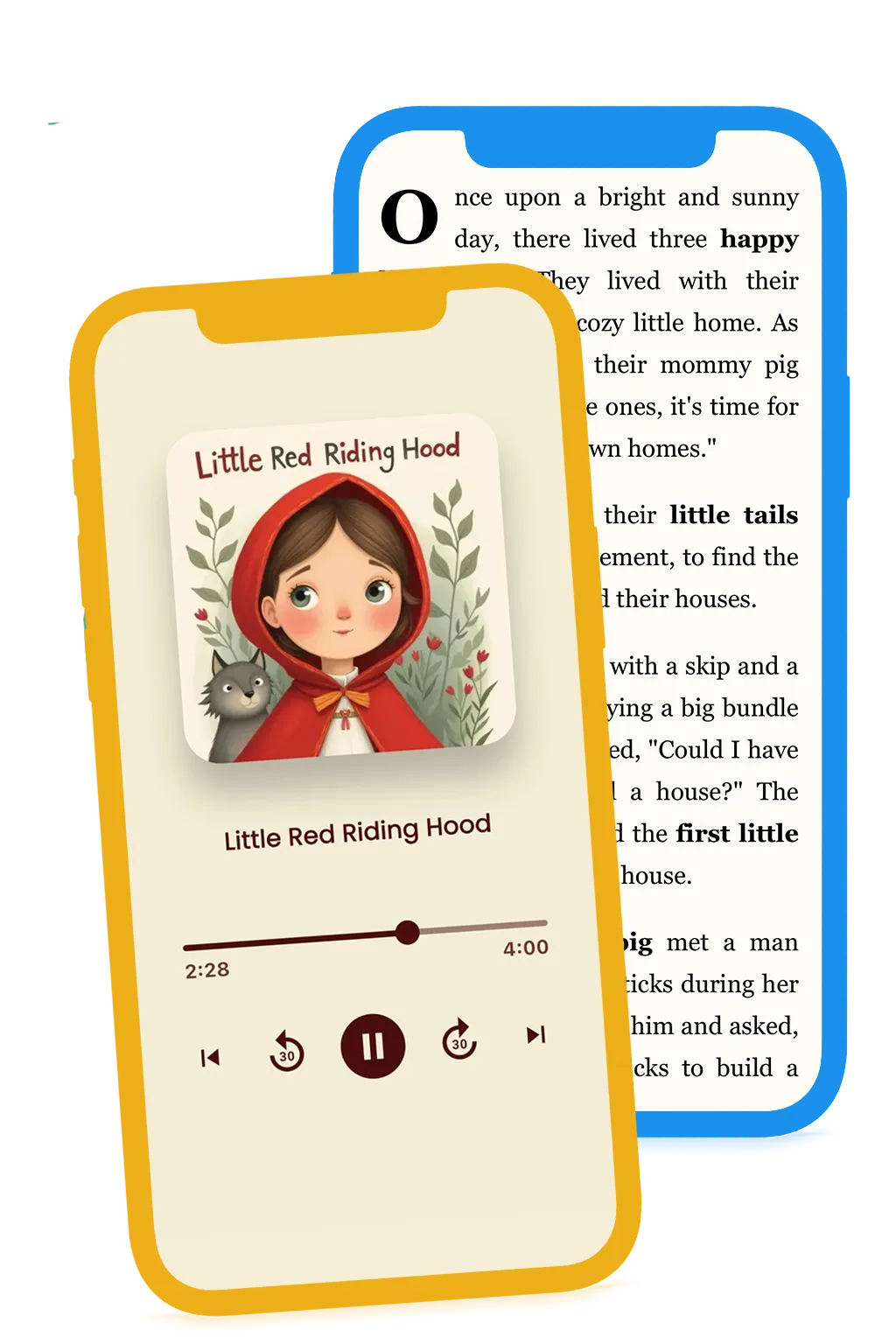
If you’re looking for stories that will gently calm your child while sparking their imagination, check out the Super Stories app. You’ll find peaceful, beautifully illustrated stories that are perfect for an evening reading ritual. No flashing screens, no rushing action — just warm, supportive stories that help your little one relax and get ready for a good night’s sleep.
Because the best bedtime story is the one you read together.