How to Prepare for the Return to Kindergarten After the Holidays?
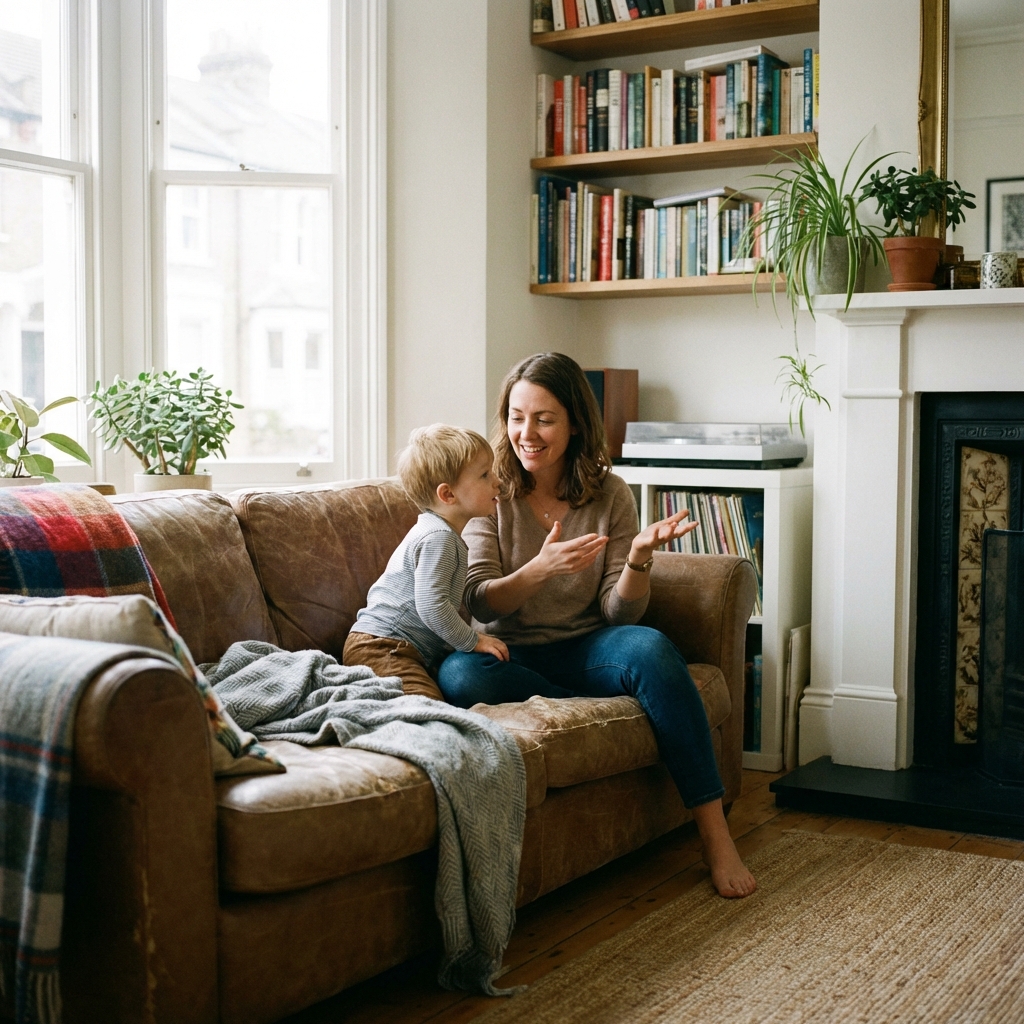
Returning to kindergarten after carefree summer months is a big event in the life of any family. For a child, this means transitioning from free play and long mornings back to a structured day, waking up early, and being away from their parents. This requires time, patience, and understanding from adults. How can you make this process smooth and gentle? Here are some proven psychological strategies that will help you start the new preschool year off right.
1. Gradual Return to Daily Routines
A young child’s brain functions best when their environment and daily rhythm are predictable. Suddenly pulling a child out of the holiday “chill” and throwing them into the rigor of the morning rush is a recipe for unnecessary stress.
About a week or two before the first of September, start gently regulating sleep schedules. Shift the bedtime and morning wake-up time by 15-20 minutes each day to slowly approach the kindergarten schedule. Also, maintain fairly consistent meal times and establish a regular time for rest during the day. This rebuilt structure will make it easier for the child’s body to adapt to the demands of kindergarten.
2. Important Conversations About Emotions and Taming Fears
Don’t leave conversations about the return until the night before. Children need time to get used to the idea of the change itself.
Ask openly: “How do you feel when you think about going back to kindergarten?”, “Who of your friends did you miss the most?”. If the child reports anxiety, don’t dismiss it by saying: “It will be fun, you have nothing to be afraid of.” Acceptance and empathy work much better: “I see you’re a bit nervous. That’s completely natural after such a long break. I also sometimes get stressed when I return to work after a vacation. Remember that I am with you and we will definitely manage.”
Also, remind them of the positive aspects of kindergarten – their favorite toys, interesting activities, or the delicious lunches they like so much.
3. Build a “Roadmap” for the First Day
For a child, the unknown is often synonymous with scary. That’s why it’s so important to tell them what their day will look like step by step. “Specifics” significantly reduce anxiety levels.
You can say: “When you wake up in the morning, we’ll eat breakfast together, get dressed, and go to kindergarten. There you will change your shoes, go into your room, and say hello to your teacher. You will play with the children, then you will eat soup, and after afternoon tea, as soon as you eat the last piece of apple, I will come to pick you up.” Such predictability gives the child a sense of security.
4. Proven Strategies for Difficult Goodbyes
Even if a child is theoretically ready, the actual moment of separation in the cloakroom can be difficult. What can help?
- Goodbye Ritual: Invent your own unique way to part. It could be a special hug, a high-five, and a kiss on the nose. Such a repeatable pattern gives a signal that everything is fine.
- Talisman of Courage: Suggest that the child take a small object with them – e.g., a tiny keychain attached to their pants, a favorite little figure hidden in a pocket, or a sticker on their hand. It will be an “anchor” that, in more difficult moments, will remind them that their parent is thinking of them.
5. A Parent’s Calm is the Foundation
Our children are perfect barometers of our emotions. If we are nervous, rushed, and full of fear in the morning about whether our little one will manage – they will immediately pick up on this anxiety.
Try to stay calm (even if you are a little nervous inside). It’s also important not to use kindergarten as a punishment or a scare tactic. The return should be treated as a natural next step after the holidays, a time for growth and new adventures.
6. “Recharging Batteries” After Kindergarten
The first few days can be very exhausting for a child. When you pick them up from kindergarten, give them space to “let off steam”. After a long day full of stimuli and rules, a toddler needs time to regain balance. Instead of immediately bombarding them with questions (“What did you eat?”, “Did you play nicely?”), simply tell them that you are very happy to see them and give them a big hug. Plan a free, quiet afternoon – time for cuddling, playing together without rushing, and just being together.
Returning to kindergarten is a process. With a bit of patience, understanding, and love, your child will quickly find their way in this new-old reality. Good luck!