You want your child surrounded by books. Here's how to make that happen on any budget.
Youβre standing in a bookshop watching your childβs eyes light up at a stack of picture books. You pick up three, check the price tags, and quietly put two back. Itβs a moment most parents know well β because kidsβ books are expensive, and children blow through them fast.
The good news is that the world is absolutely full of free books for children, and most parents donβt know half of them. From local libraries with digital lending apps to completely free online archives, book swaps with other families, and organizations that literally mail free books to your door β the options are better than ever. The trick is knowing where to look.
Getting free books isnβt about being frugal. Itβs about keeping the supply coming. Research is clear: children who have access to lots of books β not just a few precious ones β read more, read better, and love reading more. The goal isnβt one perfect book. Itβs a constant, flowing stream of stories your child can explore freely, without anyone worrying about the price tag.
A new hardcover picture book can cost $15-20, and a middle-grade novel even more. For families with young children who want books read repeatedly β and then quickly outgrown β the cost adds up to hundreds of dollars a year. This makes many parents ration books in ways that can actually slow down a reading habit.
Most public libraries now offer free ebook and audiobook apps like Libby, Hoopla, and Epic. These give children access to thousands of titles from any device, at any time. Yet surveys show that a huge proportion of library cardholders have never used the digital lending service β simply because no one told them it existed.
Many schools run book swap programs, classroom libraries, or participate in national initiatives like Dolly Parton's Imagination Library, which mails free books monthly to young children. These programs are often opt-in, meaning families who don't hear about them miss out entirely.
Sites like Project Gutenberg and Open Library contain thousands of classic children's books at no cost β but the interfaces aren't designed for busy parents. Many people visit once, find it confusing, and never come back, not realizing that a few minutes of setup would unlock years of free reading.
Organizations like First Book, Reach Out and Read, and local literacy nonprofits give away millions of free books every year specifically to families who need them. These programs are designed to reach children who might not otherwise have books at home, but lack of awareness means many eligible families never apply.
Trading books with other families, through neighborhood Little Free Libraries, Facebook groups, or school swaps, is one of the easiest ways to keep a child's bookshelf fresh for free. But it requires a small shift in mindset β from 'owning' books to 'cycling' them β that many families haven't made the leap to yet.
Your local library card unlocks free ebooks and audiobooks through apps like Libby (OverDrive) and Hoopla. Set it up on your phone and your child's tablet this week. Most children can browse, borrow, and read independently within 10 minutes of first use.
If your child is under 5, check whether your area participates in Imagination Library β a program that mails one free age-appropriate book every single month to eligible children. Over 3 million books are sent per month worldwide. Visit imaginationlibrary.com to check eligibility.
There are over 150,000 Little Free Libraries worldwide β small wooden boxes full of free books, take one or leave one. Use the map at littlefreelibrary.org to find the nearest ones. Make it a weekly ritual: walk there, pick a book, leave one behind.
Search Facebook for '[your city] children's book swap' or check Nextdoor for neighbors giving away books. These groups move fast β post that you're looking for specific ages or series and you'll often have offers within hours. Most books are free; some ask only for the cost of postage.
Open Library (archive.org/details/inlibrary), Project Gutenberg, and ManyBooks all offer thousands of classic children's titles completely free. Many beloved books β Beatrix Potter, A.A. Milne, L.M. Montgomery β are in the public domain and legally free to read online or download.
Ask the school librarian or classroom teacher whether the school participates in First Book, Scholastic Book Fairs (which often have free books for families who can't afford to buy), or runs its own swap shelf. Many schools have more resources than parents realize β you just have to ask.
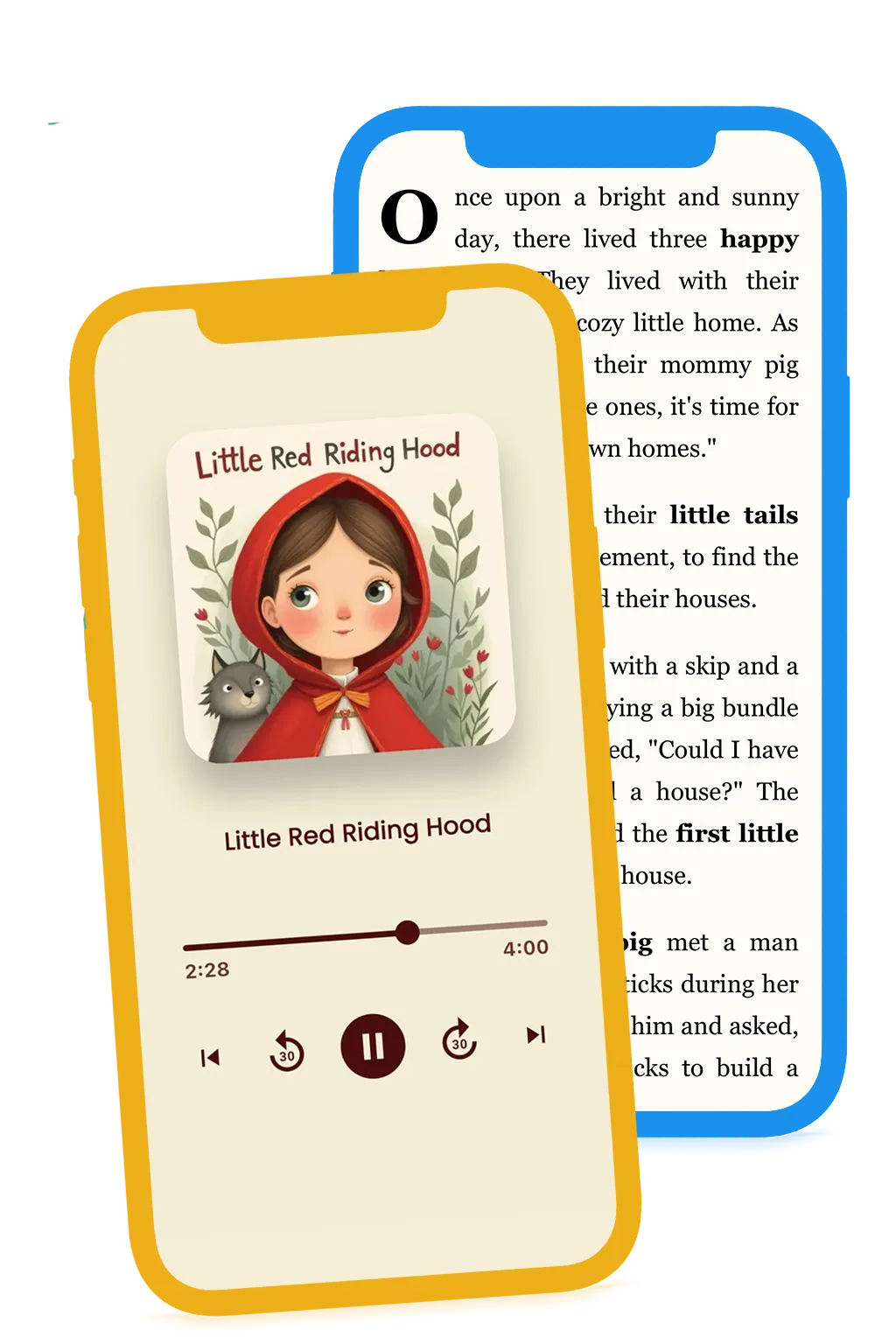
Super Stories generates unique bedtime tales starring your child by name β for free. No library waitlist, no shipping time, no books to return. A new personalized story is ready whenever your child wants one, making it one of the most immediately accessible free reading experiences available.
The best free book in the world doesn't help if your child won't read it. Because Super Stories puts your child as the hero of every story, they actually ask to read β turning 'free access' into a genuine daily habit that builds vocabulary and a love of stories over time.
Whether your child is 3 or 10, Super Stories generates age-appropriate content. As your child grows and their interests shift, the stories evolve too β meaning you're never stuck with a library of books they've outgrown and never need to buy age-up replacements.
Parents read Super Stories aloud to younger children, or older kids read them independently. Either way, it's a shared reading experience that costs nothing and builds exactly the kind of joyful association with stories that literacy experts say matters most in the early years.
The best starting points are your local library's digital app (Libby or Hoopla β free with a library card), Open Library at archive.org, and Project Gutenberg for classic titles. For brand-new books, Epic! offers a free trial and many schools provide free access to students. Super Stories also generates free personalized stories for children at any time.
Dolly Parton's Imagination Library is the most well-known program β it mails one free book per month to children under 5 in participating areas. Visit imaginationlibrary.com to check eligibility and sign up. First Book also provides free and low-cost books to families and educators in need. Check both programs, as eligibility varies by location.
Yes, completely free. Libby is an app from OverDrive that lets you borrow ebooks and audiobooks from your public library. You just need a library card (also free) to log in. Browse, borrow, and read on any phone, tablet, or e-reader. Most libraries allow 10-20 titles out at once, with borrowing periods of 14-21 days. Some popular titles have waitlists, but most children's books are available immediately.
Little Free Libraries are small book-exchange boxes installed in front yards, outside schools, churches, and community centers. Anyone can take a book or leave a book β no library card, no due date, no cost. There are over 150,000 registered locations worldwide. Visit littlefreelibrary.org and use the map tool to find ones near you. Many neighborhoods have several within walking distance.
Start with your public library (free ebooks via Libby require just a free library card). Then check Imagination Library eligibility if your child is under 5. Contact local literacy nonprofits β organizations like First Book exist specifically to get free books into the hands of children from low-income families. Local Facebook groups and Nextdoor are also excellent for neighbors giving away books for free. You don't have to mention that money is tight; just ask.
Yes β books in the public domain (generally, works published before 1928 in the US) are completely free and legal to read, download, and share. This includes most classic children's literature: Beatrix Potter, The Jungle Book, Alice in Wonderland, A.A. Milne, and hundreds more. Sites like Project Gutenberg and Open Library host these titles legally. Ebooks borrowed through library apps like Libby are also fully licensed and legal β you're just borrowing digitally instead of physically.
Try for Free