When 'I Don't Want to Go' Breaks Your Heart

Their tears are real. Your worry is valid. Here's how to make this transition gentle for both of you.

The Problem

It’s 7:15 AM. You’re kneeling in the kindergarten hallway, your child’s fingers gripping your jacket so tightly their knuckles are white. Their eyes are filling up. Their bottom lip is trembling. And somewhere between “I’ll be right here when you come back” and the teacher gently peeling them away, you feel your own chest tighten — because walking away from a crying child is one of the hardest things a parent ever does.

If you’re dreading this moment — or you’ve already lived it — you’re far from alone. Starting kindergarten is one of the biggest transitions in a young child’s life. They’re leaving the only world they’ve known — your world — and stepping into a room full of strangers, new rules, and unfamiliar sounds. Of course it’s overwhelming. Of course there are tears. It would be strange if there weren’t.

Here’s what you need to hear right now: this phase passes. Almost every child who cries at drop-off is happily playing within ten minutes. The anxiety you’re seeing isn’t a sign that something is wrong — it’s a sign that your child has a strong, healthy attachment to you. And with the right preparation, you can turn this rocky start into a confident, even exciting new chapter for both of you.

Why It Happens

Separation anxiety is developmentally normal

Between ages 3 and 5, children are deeply attached to their primary caregivers — that's exactly how it should be. Being left in an unfamiliar place triggers a primal fear response. It's not misbehavior or manipulation; it's biology doing its job to keep your child close to safety.

Everything is unfamiliar at once

New building, new adults, new children, new smells, new sounds, new rules. For a child whose entire world has been home and family, kindergarten is sensory overload. Their brain is processing more new information in one morning than it usually handles in a week.

They don't understand time yet

When you say 'I'll pick you up after lunch,' your child doesn't truly grasp what that means. To a 3 or 4-year-old, 'later' might as well be 'never.' They genuinely don't know if you're coming back — and that uncertainty is terrifying.

They're picking up on your anxiety

Children are emotional sponges. If you're nervous, lingering at the door, or tearing up yourself, your child reads that as confirmation that something dangerous is happening. Your worry — however loving — can accidentally amplify theirs.

Loss of control and routine

At home, your child knows exactly what happens and when. Kindergarten disrupts every familiar pattern — meal times, nap times, play times are all different. This loss of predictability makes children feel powerless, and powerlessness often shows up as clinginess or tantrums.

A previous difficult experience

If your child once had a rough time at daycare, a playdate that went badly, or even a scary moment away from you at a family event, that memory can resurface. They're not overreacting — they're remembering how it felt last time and trying to avoid it happening again.

How to Help

Start talking about kindergarten weeks before

Read books about starting school, drive past the building together, talk about what they'll do there. The goal is to make kindergarten a familiar concept before it becomes a real experience. Children handle new situations much better when they've had time to imagine them first.

Practice short separations first

Leave your child with a trusted friend or relative for 30 minutes, then an hour, then longer. Each successful reunion teaches them the most important lesson: you always come back. Build this evidence bank before the big day.

Create a goodbye ritual

A special handshake, two kisses and a nose boop, a whispered secret word — whatever feels right for your family. Rituals give children a sense of control in an uncontrollable situation. Keep it short, warm, and exactly the same every morning.

Leave confidently — even if it hurts

Say goodbye warmly, tell them you'll be back, and walk away. Don't sneak out (it breaks trust) and don't linger (it extends the pain). Teachers are trained for this moment. The crying almost always stops within minutes of you leaving — really.

Give them a comfort object

A small family photo in their pocket, a bracelet of yours, or a little heart drawn on their hand with a pen. Something physical they can touch when they miss you. It's a tangible reminder that you exist, you love them, and you're coming back.

Read a story about a brave first day

Stories are the most powerful preparation tool you have. When your child hears about a character who was scared on their first day but made a friend and had fun, they build a mental script for their own experience. Read it the night before, and again, and again.

How Super Stories Helps

A story where THEY are the brave kindergartener

Super Stories creates personalized tales where your child is the main character starting their big adventure at school. When they hear themselves being brave, making friends, and having fun — it stops being a scary unknown and becomes something they've already 'lived' through.

Process big feelings through safe storytelling

Your child might not be able to say 'I'm scared of being alone.' But when a story character feels the same way and discovers everything is okay, your child quietly processes their own fear. Stories give words to feelings that are too big to express directly.

Build a bedtime ritual that eases morning anxiety

Reading a personalized kindergarten story every night before bed creates a calming association. By the time the first day arrives, your child has mentally rehearsed it dozens of times. The story becomes their preparation, and bedtime becomes the moment they build courage.

Keep the connection alive during the day

Record yourself reading your child's Super Story, and let the teacher play it during rest time. Your voice, their name, their adventure — it's the next best thing to you being there. That familiar sound in an unfamiliar place can be incredibly grounding.

Get Super Stories for Free

Frequently Asked Questions

How do I prepare my child for their first day of kindergarten?

Start 2-3 weeks before: read books about school, visit the building if possible, talk about what a day looks like, and practice short separations. Create a goodbye ritual you'll use every morning. Most importantly, read stories together where characters go through the same experience — this gives your child a mental rehearsal that makes the real day feel familiar instead of frightening.

Is it normal for a child to cry at kindergarten drop-off?

Completely normal, and far more common than you think. Most children cry at drop-off for the first few days or even weeks. The tears are a sign of healthy attachment to you — not a sign of a problem. What matters is what happens after you leave: teachers consistently report that children calm down and start engaging within 5-10 minutes. If crying persists beyond 3-4 weeks, talk to the teacher about strategies.

Should I sneak away when my child isn't looking?

No — this is one of the most common mistakes parents make. Sneaking away avoids the tears in the moment but damages trust. Your child learns that you can disappear without warning, which makes their anxiety worse, not better. Always say goodbye clearly and warmly, reassure them you'll be back, and leave confidently. The short-term tears of a proper goodbye are much healthier than the long-term anxiety of not knowing when you might vanish.

How long does kindergarten separation anxiety usually last?

For most children, the intense crying phase lasts 3-7 days. Mild clinginess or reluctance can continue for 2-4 weeks. By the end of the first month, the vast majority of children walk in happily. Every child is different though — some adjust on day two, others need six weeks. Consistency is key: same routine, same goodbye, same reassurance every single morning.

My child says they hate kindergarten — what should I do?

First, listen without dismissing. 'I hate it' usually means 'something specific is hard for me.' Ask open, gentle questions: 'What part feels yucky?' or 'What happens when you feel sad there?' Often it's one specific thing — a loud child, missing you at lunch, not knowing the bathroom rules. Talk to the teacher to identify the real issue. And at home, read stories together about characters who felt the same way — it helps children process feelings they can't fully articulate yet.

Does reading stories about kindergarten actually help with anxiety?

Yes, and child psychologists actively recommend it. Stories work because they let children experience a situation emotionally before it happens in real life. When your child hears about a character who felt scared but then made a friend and painted a picture and was picked up by their parent — they're building a positive mental script. Personalized stories where your child is the main character are even more powerful, because the brain processes 'my story' differently than 'someone else's story.'

Download Super Stories

  • Join thousands of joyful parents worldwide who love Super Stories for cozy bedtime stories!
  • Build lasting habits and bond with your child through daily storytime rituals!
  • Unlock audio stories and read-aloud fun, with new tales weekly!
  • Enjoy coloring pages and activity sheets for family fun!

Try for Free

Available for iOS and Android
★★★★★ 4.7/5 • 50k+ downloads
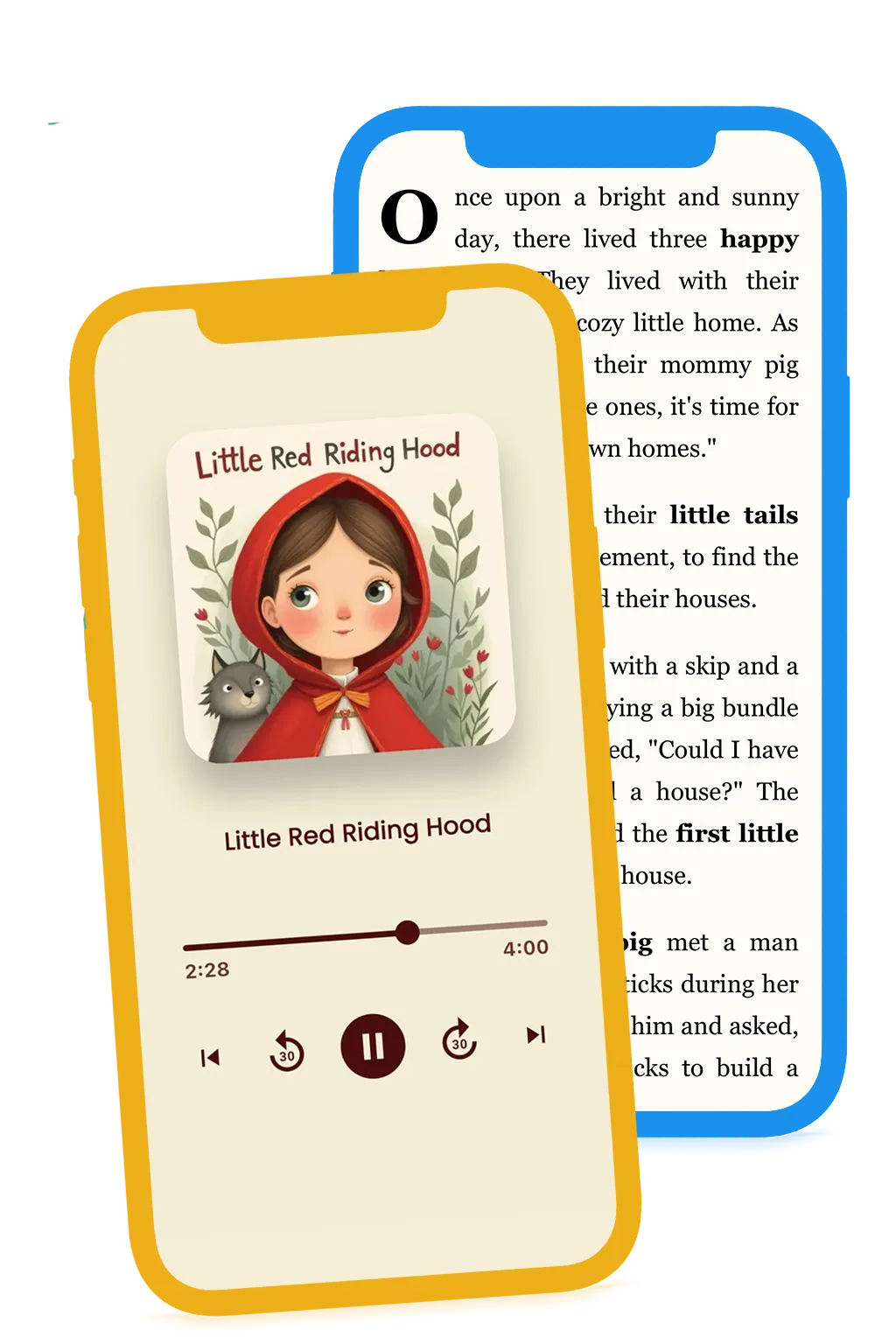
Super Stories app screenshot