You've tried everything. Here's what actually works when your child won't sleep.
It’s 9:47 PM. You’ve already been in their room three times. There’s been a glass of water, a trip to the bathroom, and a very urgent question about dinosaurs. You’re exhausted, they’re wide awake, and tomorrow starts early.
If this sounds like your evening, take a breath — you’re in very good company. Bedtime battles are one of the most common struggles parents face, and they hit every family differently. Maybe your toddler won’t stay in bed no matter what you try. Maybe your child suddenly developed a fear of the dark that turns lights-out into meltdown. Or maybe bedtime just… takes forever, every single night.
Here’s the thing most parents don’t hear often enough: this isn’t about your child being difficult. And it’s not about you doing something wrong. Children’s sleep problems almost always have a reason — and once you understand what’s really going on, the solutions become surprisingly straightforward.
A child's brain doesn't have an off switch. It needs a predictable sequence of cues — the same steps, in the same order, every night — to shift from go-mode into sleep-mode. Without that, their nervous system simply stays on alert.
That 'just one more episode' before bed costs more than you'd think. Blue light from tablets and phones blocks melatonin, the hormone that makes us sleepy. Even 20-30 minutes of screen time can push sleep onset back by an hour.
It sounds backwards, but an overtired child is actually harder to put to sleep. When kids miss their natural sleep window, their body releases cortisol — a stress hormone that makes them wired, giggly, and impossible to settle.
Monsters under the bed, shadows on the wall, the scary thought that won't go away. These fears are a normal part of growing up, but they can turn bedtime into something a child genuinely dreads. They're not stalling — they're scared.
When bedtime varies by even 30 minutes from night to night, it confuses the body's internal clock. Add in late weekend nights and lazy Sunday mornings, and Monday bedtime can feel like starting from scratch.
A new baby, a new school, parents arguing, a best friend who moved away — children process life's big moments at night, when everything goes quiet. Sleep problems are often the first sign something deeper is going on.
Same time, every night — yes, even on weekends. It feels rigid at first, but within a week or two your child's body will start getting sleepy on cue. That's their internal clock doing the heavy lifting for you.
Think of it as a runway for sleep. Start 30-45 minutes before lights out: bath, pajamas, brush teeth, then something calm — a bedtime story works beautifully. When the steps are always the same, the brain knows exactly what comes next.
This is the single biggest change most families can make. Replace the tablet with a book or a read-aloud story starting one hour before bed. The difference is noticeable within days, not weeks.
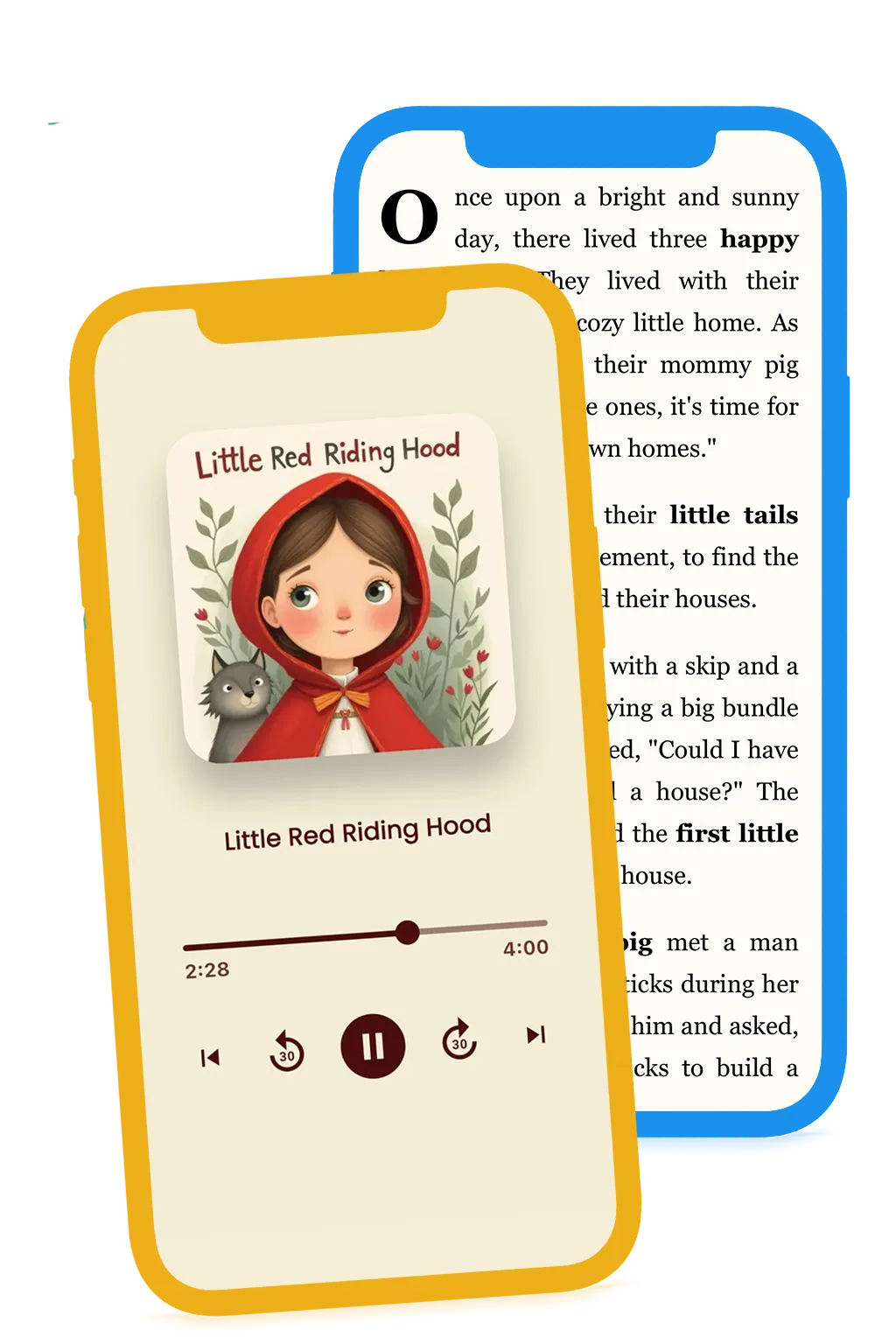
A bedtime story isn't just a nice tradition — it's genuinely one of the best sleep tools that exists. Your calm voice slows their heart rate, the story redirects racing thoughts, and the whole ritual creates a warm, safe feeling they associate with falling asleep.
When your child says they're scared, believe them. You don't need to check for monsters (that confirms monsters might be real). Instead, try: a cozy nightlight, a 'brave spray' by the bed, or a story about a character who feels the same way and finds their courage.
Cool (18-20°C), dark, and quiet. Blackout curtains help enormously. A soft nightlight is fine. And keep the room for sleeping — not for playing, screens, or homework. The brain learns: this room means rest.
Super Stories creates one-of-a-kind bedtime tales starring your child as the hero. There's something almost magical about hearing your own name in a story — it turns bedtime from 'I don't want to' into 'Can we read my story tonight?'
Every story is written with a slow pace, gentle themes, and a peaceful ending that brings everything to a close. No cliffhangers, no surprises, no 'but what happens next?!' — just a soft landing into sleep.
Parents read the stories aloud. That means your child gets your voice, your warmth, and your presence — not another glowing rectangle. It's a bedtime ritual that genuinely brings you closer while helping them drift off.
Afraid of the dark? Nervous about sleeping alone? Choose story themes that mirror what your child is going through. When a brave little character overcomes the same fear, your child quietly learns: maybe I can do that too.
Usually it comes down to one (or a mix) of these: no consistent wind-down routine, screens too close to bedtime, overtiredness, nighttime fears, or a bedtime that keeps changing. The most effective first step? Set a fixed bedtime and build a simple 30-minute routine leading up to it — ending with a bedtime story works especially well.
Toddlers get out of bed for three main reasons: they're not tired enough yet, they want reassurance, or the boundary simply hasn't clicked. The approach that works for most families: a predictable routine (bath, story, goodnight), returning them to bed calmly and without conversation every time they get up, and lots of praise in the morning for staying put.
They really do — and there's solid research behind it. A consistent bedtime reading routine helps children fall asleep faster and sleep through the night more reliably. It works on multiple levels: the story gives their busy mind something calming to focus on, your voice lowers their heart rate, and the ritual itself becomes a signal that sleep is coming.
Keep it simple and repeatable. A routine that works for most families takes about 30 minutes and goes: bath or wash up, pajamas and teeth, a bedtime story, then lights out and goodnight. The specific steps matter less than doing them in the same order every night — predictability is the secret ingredient.
More than you might think. Toddlers (1-3) need about 11-14 hours including naps. Preschoolers (3-5) need 10-13 hours. School-age kids (6-12) need 9-12 hours. A child who's hard to wake up or cranky by afternoon almost certainly needs an earlier bedtime — even 15 minutes earlier can make a noticeable difference.
Completely normal, and very common between ages 3 and 6. Their imagination is growing faster than their ability to separate real from imaginary — that's actually a sign of healthy development. What helps: a soft nightlight, validating their feelings ('I understand, the dark can feel scary'), and reading stories about characters who feel the same way and discover they're braver than they thought.
Try for Free