The Bedtime Story That Changes Everything

One story, read the same way every night, can transform your child's entire relationship with sleep.

The Problem

It’s 8:15 PM and you’ve just picked up a book for the fourth time this week. Your child keeps asking for β€œone more.” You’re not sure whether you’re doing it right, whether the stories you’re choosing are actually helping, or why some nights feel magical and others feel like a battle. You just know that something about story time matters β€” you can feel it β€” and you want to get it right.

You’re not alone in that feeling. Millions of parents around the world read to their children every night, and yet most of us were never taught how to do it well. We improvise, we pick books at random, we rush through the last few pages because we’re tired, and we wonder why the ritual doesn’t always work the way it should. The truth is, bedtime stories are one of the most powerful parenting tools in existence β€” but they work best when you understand why they work.

Here’s the good news: you don’t need to be a professional storyteller. You don’t need an impressive library. You just need to know a few things about what makes a bedtime story truly work β€” and then do those things, consistently, every night. The magic is more accessible than you think.

Why It Happens

Rushing through the story

When parents read quickly β€” skipping pages, summarizing rather than voicing characters β€” the brain-calming effect of story time barely kicks in. It's the slow, rhythmic pace of a story read properly that lowers a child's heart rate and quiets their nervous system.

Choosing stories that excite instead of calm

Action-packed plots, scary villains, and cliffhanger endings are great for afternoon reading β€” but they're the opposite of what a child needs at bedtime. Stimulating stories activate the same brain circuits as screens, making it harder to wind down.

Inconsistency in when and how stories happen

When story time happens at different points in the evening β€” sometimes before bath, sometimes after, sometimes skipped altogether β€” it loses its power as a sleep cue. The brain responds to ritual, not randomness.

Not enough personal connection in the story

Children listen differently when they recognize themselves in a story. Generic characters and faraway settings are entertaining, but a story that feels personal β€” about someone like them, facing something they understand β€” creates a much deeper sense of safety and calm.

Parents skipping the expressive reading

Monotone reading, while technically telling the story, misses most of the benefit. The variation in your voice β€” quiet here, slower there, a gentle pause β€” is what draws a child in and keeps their busy mind from wandering back to the worries of the day.

No clear ending to the story ritual

When story time drifts into conversation, requests for more stories, or questions that lead to longer discussions, the transition to sleep gets blurry. A clear, gentle ending β€” the same phrase, the same goodnight routine β€” helps the brain recognize: story is over, sleep is next.

How to Help

Make story time happen at the same moment every night

Lock story time into a fixed spot in your bedtime sequence β€” always after teeth-brushing, always before lights out. Within a week, your child's brain will start getting drowsy when you reach for the book. That's Pavlov working for you.

Read slowly, like you mean it

Aim for a pace that feels almost too slow. Pause at the end of paragraphs. Let a quiet moment breathe. Your child's heart rate will actually follow the rhythm of your voice β€” the slower you read, the more their body relaxes.

Choose stories with calm, resolved endings

Look for stories where characters feel safe, loved, or peaceful by the last page. Avoid cliffhangers and unresolved conflict at bedtime. A story that ends with the hero curled up at home, or drifting off to sleep, sends exactly the right message to your child's brain.

Use your voice as an instrument

Lower your voice as the story winds down. Get a little quieter page by page. By the final paragraphs, you're practically whispering. This gradual softening is a powerful sleep signal β€” your child will start yawning without even noticing why.

Let your child choose the story (within limits)

Give your child two or three options to choose from β€” all pre-approved by you as calm, sleep-friendly stories. This gives them a sense of control (which reduces bedtime resistance) while keeping you in charge of the story's tone and energy.

End with the same ritual phrase every night

Create a simple closing ritual: a specific sentence, a kiss on the forehead, a whispered 'sweet dreams.' The more consistently you repeat it, the more powerfully it works as a sleep cue. After a few weeks, those words alone will start to make your child's eyelids heavy.

How Super Stories Helps

Every story stars your child

Super Stories puts your child's name, personality, and interests at the center of every bedtime story. Hearing their own name in a story isn't just fun β€” it creates the deep personal connection that makes story time genuinely calming rather than just entertaining.

Stories engineered for sleep

Every Super Stories tale is written with bedtime in mind: a gentle pace, warm themes, and a peaceful resolution that softly closes the day. There are no exciting cliffhangers, no scary moments β€” just the kind of ending that makes little eyes heavy.

Fresh stories every night, zero prep

One of the biggest obstacles to consistent story time is running out of good stories. Super Stories generates a new, unique bedtime story whenever you need one β€” so you never have to read the same book for the fifteenth time if you don't want to.

A reason to put the tablet down

When kids know a personalized story is waiting for them at bedtime, screens become less appealing. Super Stories gives your child something to look forward to β€” a story that's truly theirs β€” making the whole transition from screen time to sleep time much smoother.

Get Super Stories for Free

Frequently Asked Questions

What age is best for starting bedtime stories?

You can start from birth β€” even newborns benefit from hearing a parent's calm voice at bedtime. But the magic really kicks in between ages 2 and 3, when children start following plots and connecting with characters. The earlier you establish the habit, the more powerful it becomes: children who've had consistent bedtime stories since toddlerhood often keep requesting them well into school age.

How long should a bedtime story be?

For toddlers and preschoolers (2-5), 10-15 minutes of story time is ideal β€” long enough to wind down, short enough not to become another reason to stay up. For school-age children (6-10), 15-20 minutes works well. What matters more than length is consistency: a shorter story read every night beats a long one read occasionally.

Is it better to read books or make up stories?

Both work beautifully, and they work in slightly different ways. Reading from a book is consistent and repeatable β€” children love hearing the same words again, and familiarity itself is calming. Making up stories (or using an app that personalizes them) creates a deeper personal connection and can be tailored to exactly what your child needs that evening. Many families find a mix of both works best.

How do I get my child to actually pay attention during story time?

The biggest thing you can do is use your voice expressively β€” different voices for characters, a slower pace as things calm down, genuine emotion in how you read. Also, let your child hold the book if possible, and occasionally pause to ask a simple question ('What do you think happens next?'). Involvement keeps them engaged without overstimulating them.

Can bedtime stories help with my child's anxiety?

Yes, significantly. Stories are one of the gentlest ways children process worries and fears β€” through characters who face similar challenges and come out okay. Reading about a character who feels scared, lonely, or nervous, and then finds comfort and safety, gives children an emotional template for handling their own feelings. Over time, this builds genuine resilience.

Why does my child always ask for 'just one more story'?

Usually it's one of two things: they're genuinely not tired enough yet (consider moving bedtime 20-30 minutes later temporarily) or they're enjoying the closeness and connection of story time and don't want it to end. The second reason is actually lovely β€” it means story time is working. Setting a clear 'one story' rule from the start, stated before you begin, makes it much easier to hold the boundary without a battle.

Download Super Stories

  • Join thousands of joyful parents worldwide who love Super Stories for cozy bedtime stories!
  • Build lasting habits and bond with your child through daily storytime rituals!
  • Unlock audio stories and read-aloud fun, with new tales weekly!
  • Enjoy coloring pages and activity sheets for family fun!

Try for Free

Available for iOS and Android
β˜…β˜…β˜…β˜…β˜… 4.7/5 β€’ 50k+ downloads
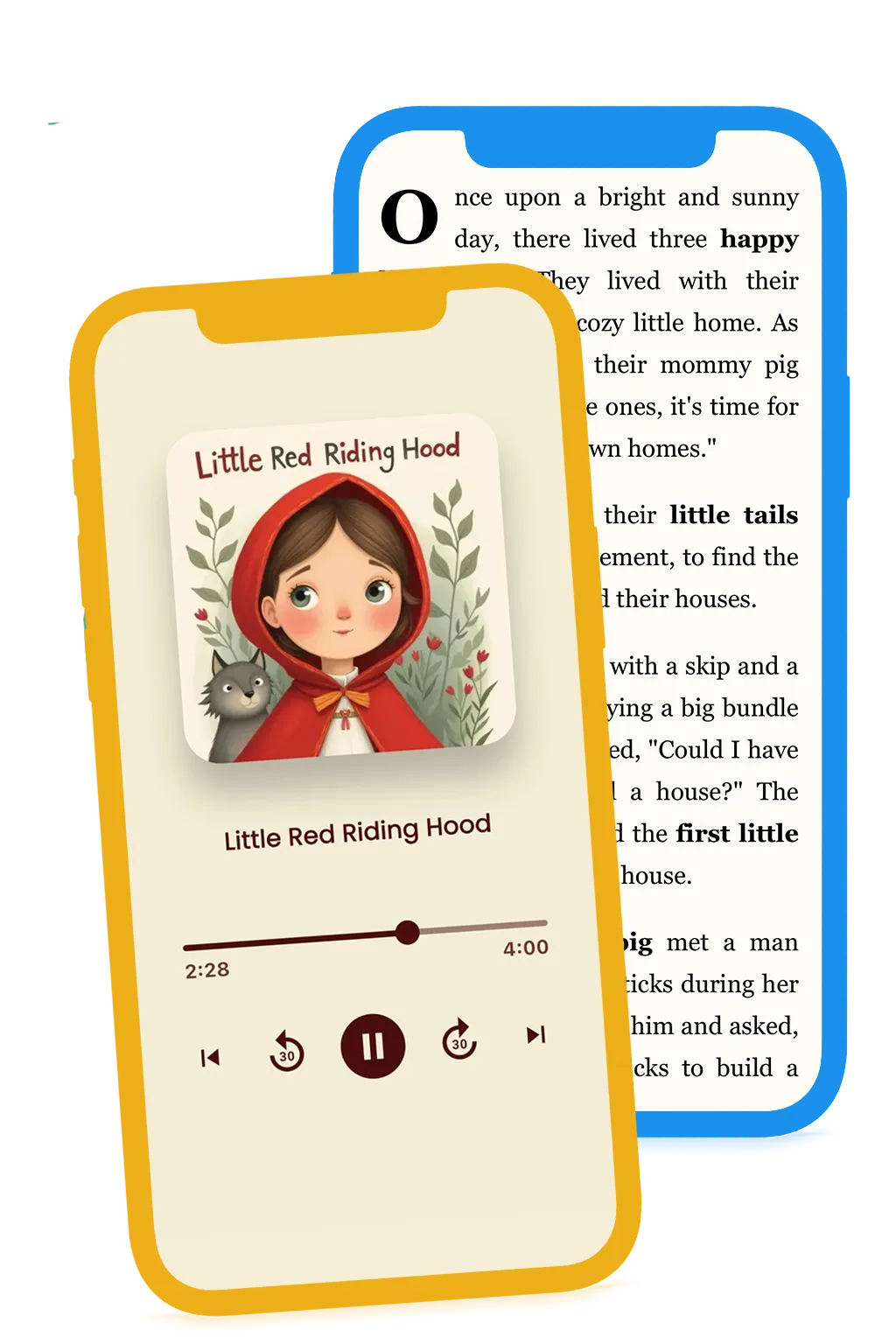
Super Stories app screenshot