Songs for Children: Why Music Is Important for Child Development?

Music is a universal language that speaks to us from an early age. Songs for children are not just great fun, but also a powerful tool supporting a toddler’s development on many levels. From lullabies hummed to sleep to cheerful rhymes in kindergarten – music accompanies children at every step. Why is it worth introducing more singing and sounds into your child’s life? Here are a few reasons.
1. Speech and Vocabulary Development
Listening to and singing songs is excellent language training. Song lyrics are often rhymed and rhythmic, making it easier for children to remember new words and phrases. Toddlers learn correct pronunciation, intonation, and sentence structure in a natural and enjoyable way. Repeating choruses helps consolidate vocabulary, and the variety of song themes enriches knowledge about the world.
2. Memory and Concentration
Learning song lyrics is a great exercise for the brain. A child must remember the order of words, the melody, and the rhythm. This perfectly stimulates short-term and long-term memory. Additionally, focusing on listening to music and following the rhythm supports the development of concentration, which is extremely important in the school education process.
3. Emotional and Social Development
Music has an extraordinary power to evoke emotions. Songs can soothe, cheer up, and even help deal with difficult feelings. Singing together with parents or peers builds bonds and a sense of belonging. It is also an excellent opportunity to learn cooperation and empathy – children learn to listen to others and interact in a group.
4. Motor Coordination and Sense of Rhythm
Most songs for children encourage movement – clapping, stomping, dancing, or showing gestures. Such musical-movement games greatly develop coordination, gross and fine motor skills, and spatial orientation. The sense of rhythm that a child shapes through dance and singing has a positive impact not only on musical abilities but also on learning mathematics or foreign languages in the future.
5. Creativity and Imagination
Music stimulates imagination! Listening to songs about animals, travels, or fairy-tale lands, children create images and stories in their minds. Encouraging a child to invent their own songs or melodies is a wonderful way to develop creativity and self-confidence.
Summary
Introducing music into a child’s everyday life does not require being a virtuoso. Singing together in the car, listening to valuable songs at home, or simple rhythmic games are enough. It is an investment in your child’s development that will bear fruit in the future, and above all – will bring you lots of joy here and now!
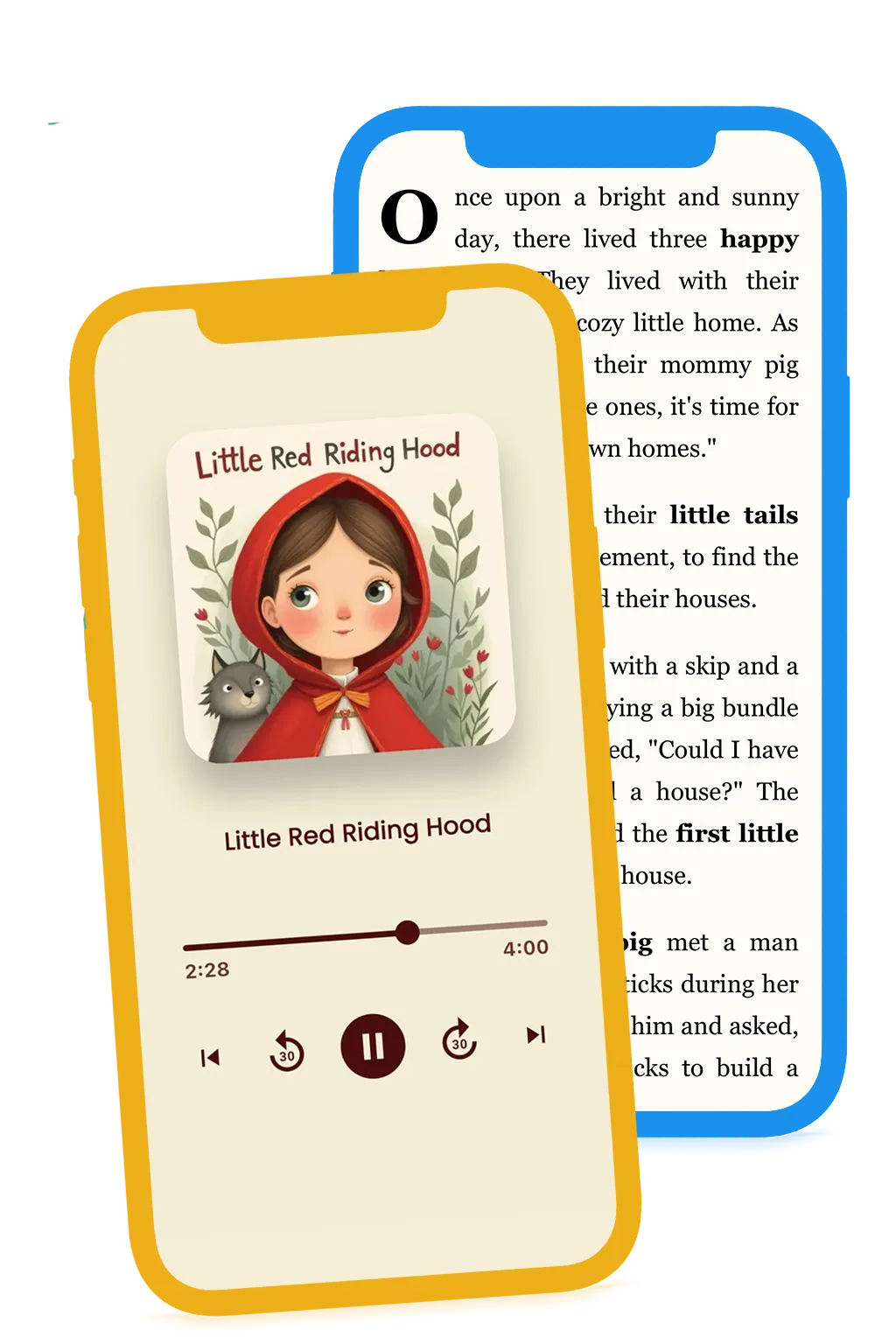
Check out Super Stories to discover a ton of inspiring songs and stories that develop your child’s imagination!